Hundreds of thousands of ultra-Orthodox Jews protest against military conscription in Israel (video)

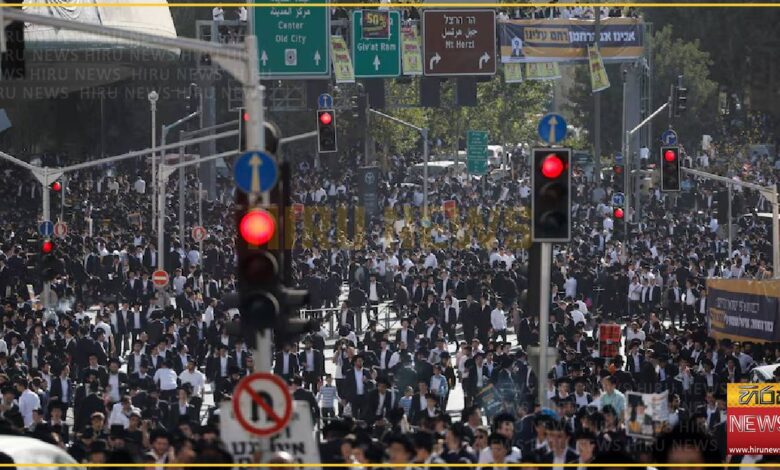
Hundreds of thousands of ultra-Orthodox Jews took to the streets of Jerusalem to protest against legislative changes that would remove the exemption of religious men from military conscription. Demonstrators blocked the city’s main entrances, Reuters reported.
The protest was organized and supported by ultra-Orthodox parties represented in the Knesset. According to media estimates, about 200,000 people took part in the rally. A 15-year-old boy died during the rally when he climbed an unfinished building with a group of protesters, fell from a height and died. Police have launched an investigation into the incident.
At the end of the day, organizers declared the protest over and urged participants to disperse peacefully, but some young Orthodox protesters clashed with police. Police used water cannons to disperse the crowd.
In Israel, military service is mandatory for young men and women after they turn 18, but ultra-Orthodox Jews have traditionally been exempt from conscription. This issue has been a hotly debated issue between secular and religious political forces for many years.
As a reminder, on June 25, 2024, the Supreme Court of Israel ruled that the army should begin conscripting ultra-Orthodox men, as in the absence of a current law that would define exceptions for students of Jewish seminaries, the general system of military service applies to them in the same way as to the rest of the country’s citizens.
Ultra-Orthodox Jews, or Haredi, have been exempted from service since the founding of Israel, as religious education was considered important for preserving the traditions of Judaism. Haredi parties in parliament have consistently opposed attempts to draft young religious men into the army.
In 2017, the Supreme Court struck down the law that established these exemptions, but due to constant delays in the court process and the government’s delay in passing new legislation, the issue remained unresolved for several years.