In Japan, the number of people over 100 years old has increased to a record 100,000

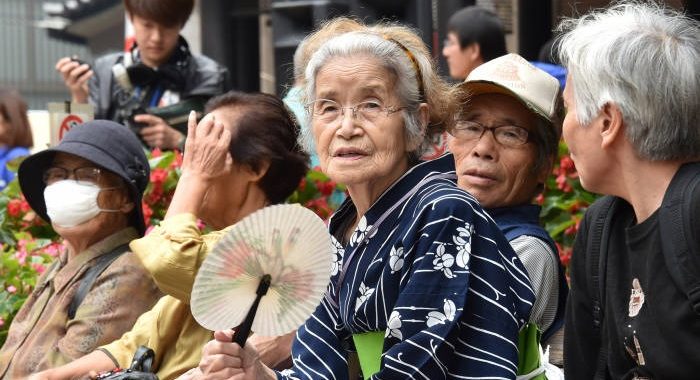
In Japan, the number of people over 100 years old has reached a record number of almost 100,000. This was reported by the country’s Ministry of Health, Labor and Welfare, reports The Japan Times.
As of September 1, there are 99,763 long-lived people in the country, of which about 88% are women. Over the course of a year, the number of people over a hundred increased by 4,644, which became a new record and has been increasing for the 55th year in a row.
Japan has been keeping statistics since 1963, when only 153 people over the age of 100 were registered. The thousand mark was overcome in 1981, in 1998 there were more than 10 thousand, in 2012 — more than 50 thousand, and in 2022 they exceeded 90 thousand.
Today, there are 80.58 long-lived people for every 100,000 inhabitants. The highest rate was recorded in Shimane Prefecture — 168.69 per 100,000, and this region has maintained its leadership for 13 consecutive years. Next come Koti (157.16) and Tottori (144.63). Saitama (48.50), Aichi (53) and Osaka (55.44) prefectures have the lowest rates.
The oldest resident of Japan is 114-year-old doctor Shigeko Kagawa from Nara Prefecture, who worked as an obstetrician-gynecologist even after 80 years. Among men, the record holder is 111-year-old Kiyotaka Mizuno from Shizuoka Prefecture.
The country has the highest life expectancy in the world, but at the same time faces a rapidly aging population and a low birth rate. In 2024, the birth rate fell to 1.15, down from 1.2 the year before, the lowest since 1947. In Tokyo, he remained below 1 for the second time in a row.
The total population decreased to 120.65 million as of January 1. Last year, the number of newborns was just 686,061, which fell below 700,000 for the first time, while deaths reached 1,605,298. This caused a natural reduction of the population by 919,237 people.
2024 marked the seventeenth year in a row in which the population declined, and marked the sharpest decline on record. This demographic situation creates serious pressure on the country’s social security system and labor market.