In the Russian Federation, 134 vital drugs disappeared from pharmacies during the year

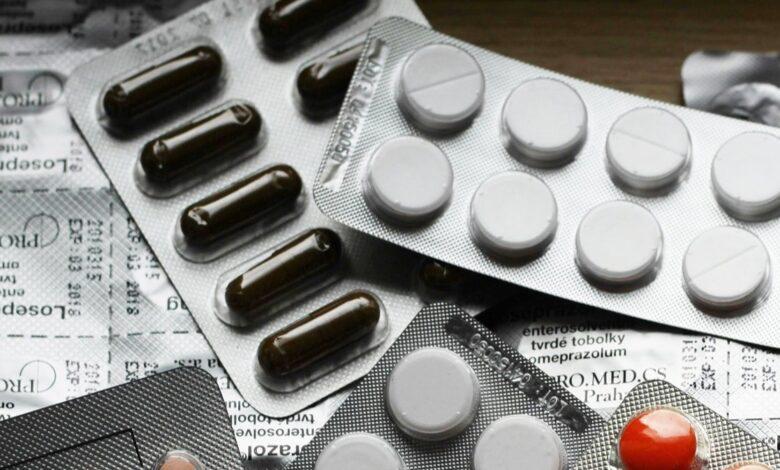
In Russia, the selection of drugs in pharmacies continues to be reduced. Over the past year, 134 vital drugs have disappeared from the shelves, including 20 anti-cancer drugs, 5 antibiotics, 3 drugs for the treatment of epilepsy, as well as insulin for pregnant women, immunosuppressants, anti-migraine, allergy, tuberculosis, HIV and malaria drugs. This is reported by rosZMI.
Due to the shortage, Russians are forced to look for the necessary medicines on the black market. About 40% of drugs that have disappeared from pharmacies can be purchased from resellers. The popularity of such chats in messengers began to grow rapidly in the spring of 2022, when the supply of many medicines to the Russian Federation was stopped due to international sanctions. Currently, there are more than 40 channels operating in Russia, through which they offer everything from vitamins to anticancer drugs.
In 2024, an average of 17,500 ads appeared in such chats every month — 2.5 times more than in 2023. Demand on the black market has grown, because many global pharmaceutical companies have stopped supplying drugs to the Russian Federation. According to one of the sellers, every few months some drugs disappear from pharmacies, and they are sought in unofficial networks. In total, in 2024, 1,280 names of drugs were presented on the black market, half of which are no longer on official sale.
Despite the growth of drug production in Russia, which, according to Rosstat, increased by 7.2% in 2023, and by another 14.6% in the first half of 2024, most Russian-made drugs are inferior to imported drugs due to side effects. Although 80% of vital drugs are allegedly produced domestically, their quality remains a problem.
After the start of the full-scale Russian invasion of Ukraine, 28 foreign pharmaceutical companies left the Russian market, and the rest reduced their supplies. Russian manufacturers have not been able to fully compensate for the loss of imports: 88% of 40 pharmaceutical companies surveyed in 2023 said that their priority is to create new drugs, not import substitution.