‘It will lead to a logistical collapse”: ‘Nova Poshta calls for no taxes on international parcels

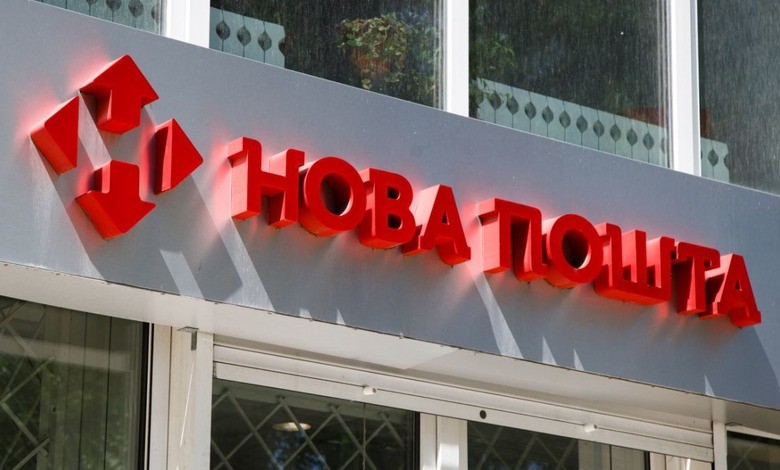
Volodymyr Popereshniuk, co-owner of the Nova Poshta company, called on the authorities to abandon the idea of introducing taxes on parcels from abroad, which are worth less than 150 euros. He explained, that such measures will cause an exorbitant increase in government spending on customs and tax procedures and will lead to a logistical collapse in the country.
Popereshnyuk said that in the conditions of already existing high taxes and new regulations, the idea of taxing international parcels is one of the worst proposals. He highlighted several key issues that will arise from this decision.
The first problem, according to Popereshnyuk, is the lack of fiscal effect. He emphasized that the state currently spends more money on customs procedures than it receives from taxation of parcels with a value of 150 euros or more. If the threshold is lowered and cheaper parcels are subject to taxation, this will only increase the financial losses for the budget.
The second reason is the risk of mass delays in the delivery of parcels and a potential logistical collapse. Popereshniuk explained that currently only 2% of parcels go through customs clearance, but each one goes through customs procedures, which already creates significant delays. If all parcels are subject to the tax, the situation will become critical and customers will face serious delivery delays.
The third reason, according to Popereshnyuk, is related to electoral risks. So far, the new tax changes have mostly affected businesses, but the introduction of parcel taxes will affect millions of citizens. This can cause a negative reaction among the population and lead to political losses for the authorities.
Popereshnyuk emphasized that these arguments are sufficient to abandon the idea of taxing international parcels as harmful to the economy and society. According to him, such a policy will only increase the level of shadow economy, smuggling and corruption.
As an alternative, he suggested raising the duty-free threshold for parcels up to $1,000 and simplifying customs procedures, which would increase budget revenues without negative consequences for the country’s logistics system.