Petition to suspend NUS reform reaches required number of votes: challenges for children during war

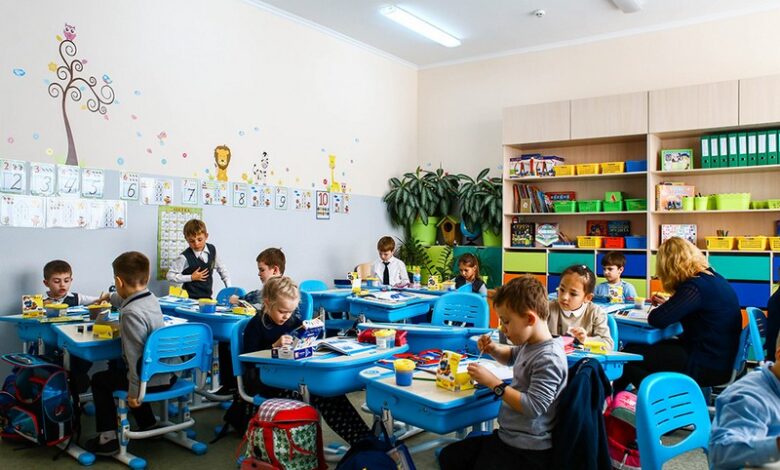
The issue of education under martial law has taken on special importance in Ukraine, as it directly affects children’s development, their emotional and physical well-being, as well as equality of access to education. However, the new stage of reforming the school system, which involves the introduction of the New Ukrainian School (NUS) and changes in high school, poses a number of unforeseen difficulties for educational institutions, children, and parents. In such conditions, the issue of the feasibility and safety of the reform becomes critical for thousands of students across the country.
The essence of the petition and its main demands
On February 19, 2026, a petition was registered on the website of the Cabinet of Ministers of Ukraine, the author of which is Oksana Kachur, who represents the interests of parents of students. The petition draws the government’s attention to the need to suspend the implementation of the NUS reform for the period of martial law and in the transitional period after its end.
The main motivation is that the reform of high school without taking into account the real situation on the ground may lead to a decrease in the number of available high schools in communities.
The author of the petition emphasizes that for many children, forced transfer to other settlements creates significant risks: physical, emotional, and security. Traveling to academic lyceums during a military conflict can worsen the educational process, complicate interaction with teachers and classmates, and negatively affect the overall development of the child.
Pedagogical and social aspects of the problem
The petition also emphasizes the importance of maintaining continuity of educational levels. Ninth-grade students who began their studies before the introduction of the National Secondary School System actually found themselves in a situation where continuing their studies in the senior grades of their school became limited. This situation not only creates administrative problems, but also affects the psychological comfort of children who are forced to adapt to new conditions and often to new educational institutions.
Parents suggest that the government reconsider approaches to implementing the reform, including involving a wide range of participants in the educational process — teachers, educational experts, and parents — in public discussion. This would allow taking into account local specifics and ensuring that changes in education do not become an additional stress factor for children, especially during wartime.
Practical consequences of the reform during martial law
The planned pilot stage of the “core” high school reform is to start on September 1, 2026 in 150 institutions across the country. However, implementing such changes in communities affected by military operations may leave a significant number of schools without senior classes, which will directly affect children’s access to a full-fledged education. In addition, transporting schoolchildren to remote institutions increases the risk to their lives and health, especially when the issue of security becomes critically important.
In view of this, the petition calls on the Cabinet of Ministers: to suspend the reform during martial law and the transition period; to review the strategy for implementing the changes, taking into account the opinions of parents and teachers; guarantee ninth-graders the opportunity to continue their education in the senior grades of their school without being forcibly transferred to other educational institutions.
The petition’s collection of the required 25,000 votes indicates the deep concern of society about the state of education in wartime and the desire of parents to protect children from the negative consequences of reforms that do not take into account the real living conditions in communities. This situation illustrates that any educational initiatives must not only take into account pedagogical aspects, but also meet the social and security needs of students, especially in unstable conditions.
The government’s response to the petition will have a significant impact on the further development of the education system and on the safety of children at a time when war threatens both the educational process and the emotional well-being of students.