
Polarization of public sentiment: results of a study on the changing attitudes of Poles and Ukrainians towards each other

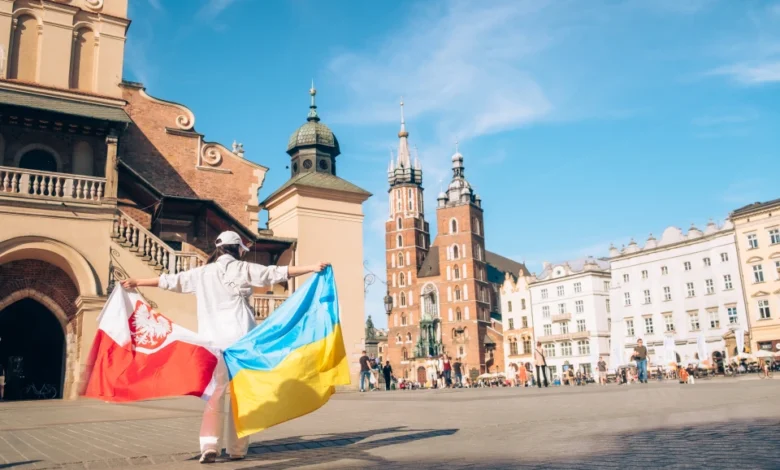
Prolonged, high-intensity armed conflicts inevitably tire not only the direct participants in the hostilities, but also the societies of the closest allied states, transforming the initial emotional solidarity into a more rational and balanced pragmatism. When the first months of the full-scale crisis passed, a difficult period of rethinking began in relations between the Ukrainian and Polish peoples, caused by fatigue from prolonged uncertainty, internal fiscal discussions, and the general geopolitical context.
The published results of a large-scale sociological monitoring by the analytical platform UA War Infographics in cooperation with researchers from the Juliusz Mieroszewski Center for Dialogue revealed deep differences in the views of citizens, forcing analysts to analyze in detail the origins of such a phenomenon. The transition of public opinion from unconditional support to rigid rationalism reflects the natural evolution of social psychology, where everyday everyday challenges begin to prevail over the initial emotional upsurge.
A deep statistical gap: dry numbers and loyalty of the parties
As evidenced by the results of a sociological research published by UA War Infographics, as well as conclusions of analysts from the Juliusz Mieroszewski Center for Dialogue, analysis of empirical data from a sociological study demonstrates a clear tendency to cool sentiments precisely on the part of Polish society, while Ukrainian citizens continue to demonstrate an unprecedentedly high level of loyalty.
Statistical indicators record alarming dynamics within Poland, where over the past three years the share of respondents with a negative attitude towards Ukrainians has increased almost two and a half times, rising from the previous 17% in 2023 to a critical mark of 43% in 2026.
At the same time, Ukrainian society reacts to internal European disputes much calmer, demonstrating resistance to mutual aggression and maintaining a friendly vector of perception of Western neighbors. The level of negative attitude of Ukrainians towards Poles has remained minimal for a long time, fluctuating from 0% in 2022 and 1% in 2023 to a moderate 8% in 2026, which confirms the readiness of the Ukrainian side to appreciate the assistance provided despite the emergence of economic or political disagreements.
Socio-political reasons for the emergence of skepticism among Poles
The formation of the so-called new realism among Polish citizens is due to prolonged psychological exhaustion and a significant adjustment of expectations regarding the timing of the end of hostilities. The spontaneous readiness to bear any material or infrastructure costs for the sake of supporting a neighboring state has been replaced by natural social fatigue, exacerbated by changes in US foreign policy and the unclear contours of the international peace process.
Such a lack of certainty forces Polish voters to be more cautious about further unconditional commitments, reorienting their attention to protecting their own economic interests and the domestic labor market. The main dissatisfaction of Polish taxpayers is directed at the principles of the functioning of the state assistance system, from which society now demands maximum selectivity, transparency and strict checks to prevent financial abuse.
Experts noted that the everyday experience of direct interaction with Ukrainians who independently provide for their own needs, work or receive education is still assessed by residents of Poland as exceptionally positive.
Security solidarity as an unshakable foundation of bilateral relations
Despite the obvious complication of sociological indicators and the growth of critical sentiments in the media space, researchers categorically warn against interpreting these data as a complete rejection of Warsaw’s strategic partnership with Kyiv. Polish society shows absolute unanimity in understanding that the fierce resistance of the Ukrainian people is a key prerequisite for preserving the national security of Poland itself in the face of potential external threats.
Citizens of the neighboring state remain steadfast in recognizing Ukrainian sovereignty, unconditionally respecting Ukraine’s right to independently choose its own path of geopolitical development without external interference. It is this deep security consensus and a common vision of the future of the security architecture in Europe that serve as the solid foundation that will allow the governments of both countries to successfully overcome temporary crises when the general emotional level in societies declines. The situation confirms that the pragmatization of relations does not destroy interstate ties, but only translates them into a format of long-term cooperation based on mutual interests.


