
Prevention of children’s diseases – save the health of children
Disease prevention is an integral part of our lives, especially when it comes to the health of our children.

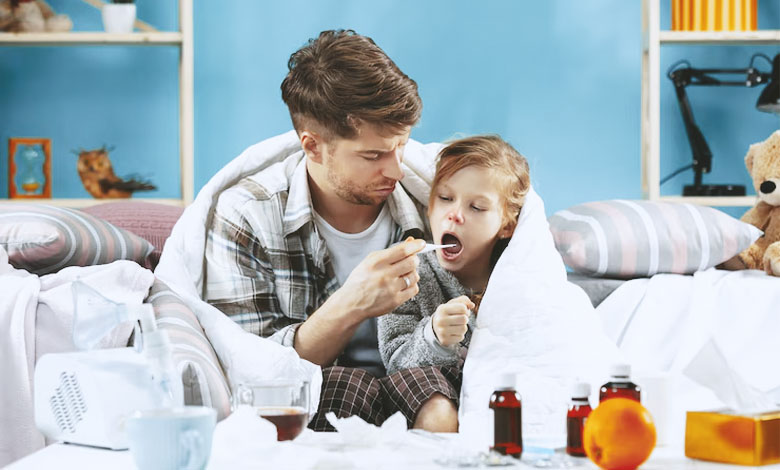
Preventive measures are aimed at preserving and strengthening their physical and mental condition, as well as at preventing the development of various diseases. Protecting babies from the negative effects of the environment and reservoirs of bacteria and viruses is an important task of every parent.
Prevention of children’s diseases involves a set of measures aimed not only at preventing the development of diseases, but also at forming a healthy lifestyle. It is important to understand that preventive measures must be started from the very birth of the baby. Special attention should be paid to the formation of strong immunity, which is a reliable barrier against many diseases. The child’s health depends on how competently the parents will carry out preventive measures and take the necessary precautions.
It is worth noting that the prevention of children’s diseases is not limited to medical procedures. It is a comprehensive approach that includes various aspects of a physical, psychological and social nature. In particular, preventive measures include regular visits to the pediatrician, vaccination, hygienic procedures, healthy nutrition, physical activity and psychological support. Every parent should be ready to take responsibility for their child’s health by taking all the necessary preventive measures.
The importance of proper nutrition
Children’s health depends on many factors, but one of the most important is proper nutrition. Prevention of diseases in children involves the implementation of preventive measures that help strengthen the immune system and ensure rational nutrition.
Optimal nutrition is the basis for maintaining children’s health. Prevention of diseases is related to the correct choice of food products and their rational consumption. It is important to provide your babies with the necessary nutrients, vitamins and minerals that support optimal growth and development.
Preventive measures include the formation of healthy eating habits, such as regular meals, a variety of menus and the inclusion of fresh fruits and vegetables. A child’s diet should be balanced and include all necessary food groups: proteins, fats, carbohydrates, vitamins and minerals.
Preventing diseases through proper nutrition is an important component of a healthy lifestyle. Parents and guardians have a responsibility to provide their children with quality and balanced food that will allow them to grow and develop properly.
The role of breastfeeding
Breastfeeding is one of the most important preventive measures to prevent diseases in children. This natural way of feeding has many advantages for the health of babies and is an important element of disease prevention.
Breast milk contains unique components that provide optimal nutrition and protection against diseases. It contains antibodies that help strengthen the child’s immune system and protect against various infectious diseases. In addition, breast milk contains probiotics that contribute to the development of beneficial microflora in the intestines, which is important for the normal functioning of the body.
Breastfeeding also contributes to the physical and emotional health of your child. The process of applying to the chest promotes the development of a correct bite and facial muscles, which affects the further development of speech and dental health. In addition, breastfeeding contributes to the formation of an emotional bond between mother and child, which has a positive effect on the child’s mental development.
In general, breastfeeding is one of the most effective ways to prevent diseases in children. It provides babies with the necessary nutrients and protects them from various infections. By breastfeeding, we give our babies the best start in life and promote their health and well-being.
Correct introduction of supplementary food
One of the most important steps in the prevention of diseases in children is the correct introduction of complementary foods. This is a process that helps to provide the baby with the necessary amount of nutrients and strengthen its immune system.
In order to preserve the health of your child, you should take preventive measures related to the introduction of complementary foods. To begin with, it is important to consider the age of the child and the doctor’s recommendations. The gradual introduction of new products will help to avoid allergic reactions and other negative consequences.
The prevention of children’s diseases due to the incorrect introduction of supplementary food is the careful observance of hygienic rules. Regular hand washing before feeding and using clean dishes and cutlery will help to avoid contracting food-borne infections.
- It is advisable to include a variety of foods containing various vitamins and minerals in the child’s diet.
- It is necessary to take into account the individual characteristics of the child, his appetite and taste preferences.
- It is necessary to avoid the use of products that can cause an allergic reaction (for example, honey, nuts, seafood).
The correct introduction of complementary foods is an important stage in a child’s life, which can ensure health and well-being for many years. Remember that each child is unique, so you should approach this process individually, taking into account his needs and the recommendations of specialists.
Regularity of exercise
One of the key aspects of disease prevention in children is the regularity of physical activity. Performing special exercises and movement activities helps to strengthen the body and maintain an optimal state of health.
To ensure effective prevention of diseases in children, it is necessary to take measures aimed at supporting an active lifestyle and regular physical activity. This may include conducting special exercises and physical activities, organizing sports games and competitions, as well as creating conditions for motor activity in children’s everyday life.
Preventive measures related to physical activity help to strengthen the musculoskeletal system, improve blood circulation and breathing, increase endurance and general tone of the body. Regular exercise also improves immunity and prevents the development of various diseases.
| Preventive measures with physical activity: |
| 1. Organization of sports classes and training for children of different ages. |
| 2. Creation of special playgrounds and sports complexes for active games and activities. |
| 3. Conducting sports competitions and tournaments among children in order to stimulate physical activity and a healthy competitive spirit. |
| 4. Implementation of motor pauses and physical exercises in the educational process in schools and kindergartens. |
| 5. Promotion of an active lifestyle and physical activity among parents and guardians. |
Preventing the development of diseases in children through regular physical activity is an important aspect of prevention and maintaining the health of your children. Properly organized and regular physical activity helps strengthen the body, increase immunity, and generally improve the physical condition of children.
The importance of active games for a child
Active games are of great importance for the prevention of diseases in children. They contribute to the development of physical activity and hardening of the body, which is a preventive measure to preserve the health of children. Many studies confirm that regular physical activity helps to strengthen the immune system, reduce the risk of various diseases and improve the general condition of the body.
The main goal of active games is to prevent diseases by increasing the motor activity of children. They contribute to the development of muscles, coordination of movements, strength and endurance. Such games also contribute to the development of the cardiovascular system and breathing, which positively affects the child’s health.
In addition to physical development, active games also contribute to the child’s psychological and social development. They help to bring up in children such important qualities as cooperation, communication, interaction with others. This helps the child to become a more adapted and independent personality, which is also of great importance for his health and longevity.
Thus, active games are important preventive measures to prevent diseases in children. They help strengthen the immune system, improve the child’s physical, psychological and social development. Regular participation in such games will help preserve the health of your children and reduce the risk of developing various diseases.
The effect of physical activity on strengthening the immune system
One of the key aspects of disease prevention in children is maintaining their health and preventing the development of diseases. Special attention should be paid to preventive measures and strengthening of the immune system, which is the most important factor in the fight against various diseases. In this context, sports play a big role in helping children to maintain their health and strengthen their immune system.
Regular physical activity improves blood circulation, increases metabolism, and activates the immune system. During exercise, the body produces more antibodies that provide protection against pathogenic microorganisms and viruses. In addition, sport promotes the release of toxins from the body, which has a positive effect on the general state of health.
Sports that combine physical activity with the development of movement coordination and muscle strength are especially useful for children. For example, swimming, football, basketball, cycling, etc. These types of sports contribute to increasing the body’s resistance to infectious diseases and will contribute to the general physical development of the child.
It is important to note that sports activities should be regular and correspond to the child’s age capabilities. It is necessary to follow the correct training regimen and avoid overloading the body. It is also worth remembering the importance of proper nutrition and adequate rest to maintain an optimal state of the immune system.
Therefore, sport is an effective tool in the prevention of children’s diseases. Regular physical exercises help strengthen the immune system and generally increase the body’s resistance to diseases. It is worth remembering that sports should be accessible and interesting for the child, as well as correspond to his physical capabilities and age.


