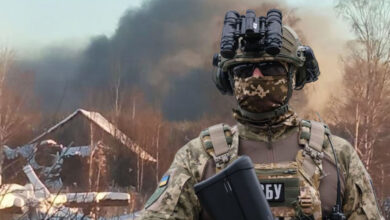
The airborne troops in action, the fighters of the 7th Corps of the Armed Forces of the Ukraine are the first to test combat exoskeletons

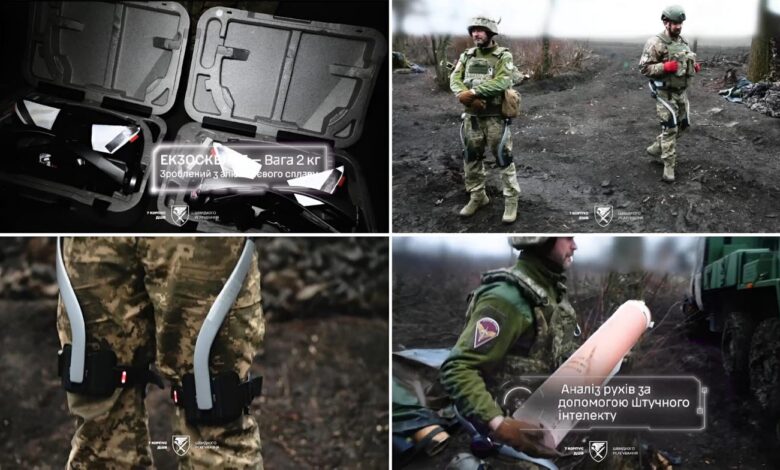
Ukrainian paratroopers have begun testing innovative equipment that should significantly facilitate the performance of combat missions. The soldiers of the 7th DSHV Corps became the first in the army to test exoskeletons in real conditions in the Pokrovsky direction.
In particular, the tests are being conducted by soldiers of the 147th separate artillery brigade, checking the effectiveness of the systems both in logistical operations and directly at firing positions.
The introduction of such means allows reducing the physical load on the soldier’s body by up to 30%. The technical characteristics of the devices provide a range of up to 17 kilometers and are capable of maintaining a speed of movement of up to 20 km/h. This innovation is especially relevant for artillery units, where daily work is associated with the transfer of heavy ammunition. The situation was commented on by the deputy commander of the 7th Corps, Colonel Vitaliy Serdyuk:
“Every day, artillerymen endure high physical exertion. They carry 15-30 shells weighing 50 kg each every day. According to the test results, they get less tired, work faster and maintain combat readiness longer,” Vitaliy Serdyuk said.
These steps are part of the overall strategy of the “technolanding”, the goal of which is to automate processes and reduce human effort using technology. In parallel with exoskeletons, even more futuristic developments are appearing on the Ukrainian front.
According to foreign media, the Foundation company has transferred two humanoid robot soldiers of the Phantom MK-1 model to Ukraine. These robotic systems, which work on the basis of artificial intelligence, are to undergo a test of their effectiveness directly on the front line.
The founder of the development company, Mike LeBlanc, emphasized that the experience gained in Ukraine is critically important for improving military robotics. The use of such innovations indicates the gradual transformation of the armed forces towards a high-tech army of the future, where technology takes on the most exhausting and dangerous part of the work.