EU and the world

The blockade of the Strait of Hormuz has caused a sulfur shortage that threatens fertilizers, microchips and metallurgy
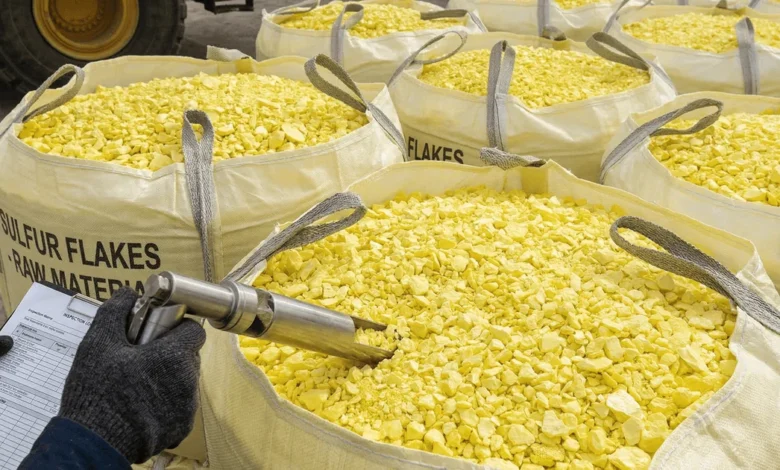
The blockade of the Strait of Hormuz led to a shortage of sulfur, which used in the production of fertilizers, microchips and metallurgical products. This has already caused prices to rise and poses a threat to industrial supply chains. This is reported by the Financial Times.
The blockade has virtually stopped the supply of sulfur, a by-product of oil and gas processing. According to the FT, the price of sulfur in China has increased by 15% and reached a record 4,650 yuan ($672) per ton. Transportation issues are limiting sales and shipping, and shortages are threatening much of the world’s industry.
The soaring prices show how the fallout from the Iran war is spreading beyond energy markets, affecting broader supply chains. Analysts say disruptions to shipping are impacting all industries, and strained supply chains face their biggest threat since the Covid-19 pandemic.
According to Dun & Bradstreet, more than 44,000 companies have been impacted by at least one supply, with businesses in China and India hardest hit.