The Dutch government has allocated 2 million euros to search for Ukrainian children abducted by Russia

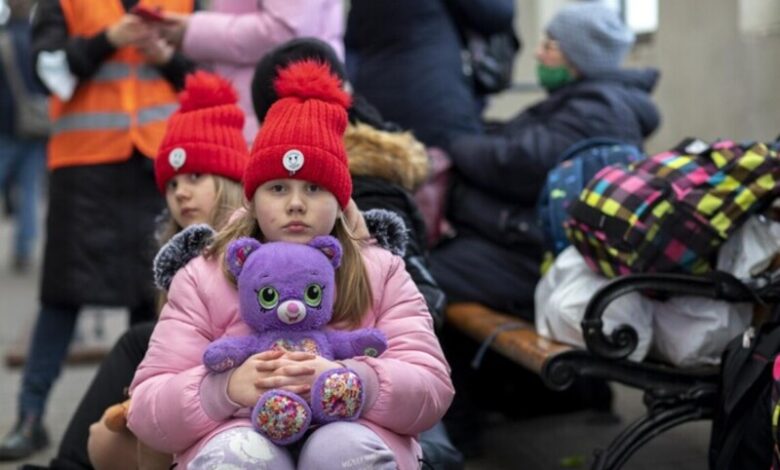
European countries are increasingly involved in programs aimed at returning Ukrainian children who were illegally deported or displaced by Russia during the war. The issue of their identification, establishment of family ties and legal support requires significant resources and international coordination. In this regard, the Dutch government announced additional funding for initiatives that should facilitate the search and repatriation of minor Ukrainian citizens who have found themselves in the territory of the Russian Federation or in temporarily occupied territories.
Decision of the Dutch government
According to the announcement published on the official website of the Dutch government, in 2026 the country has allocated an additional two million euros to support programs related to the identification and return of children. The funding includes, in particular, the purchase of DNA kits, which are to be used for examinations and confirmation of biological kinship between children and their families.
The Government of the Netherlands notes that ensuring the possibility of conducting DNA analyses is one of the key tools in the process of legally establishing the identity of a child and confirming family ties, without which the return procedure becomes complicated both from a legal and diplomatic point of view. It is precisely the documented identification that creates the basis for further international steps towards repatriation.
In conditions where some children could have been moved without a full package of documents or with a violation of procedures, establishing the identity requires an evidentiary base that is recognized in the international legal field. The use of DNA kits allows comparing samples of biological material with data from relatives, which significantly increases accuracy and speeds up the process of confirming kinship.
Given the complexity of the situation, which includes both cases of deportation to the territory of the Russian Federation and the stay of children in temporarily occupied territories, technical identification tools become the basis for further legal procedures, negotiation processes and decisions on return.
Scale of the problem and international support
According to information released by the President of Ukraine Volodymyr Zelensky and the Commissioner for Human Rights of the Verkhovna Rada of Ukraine Dmytro Lubinets, our country managed to return 2,000 children who were deported to the Russian Federation or were in temporarily occupied territories. territories. At the same time, more than one million six hundred thousand children remain in the temporarily occupied territories, which indicates the scale and duration of the challenge facing the state.
The decision of the Netherlands to provide additional funding is seen as a contribution to international efforts aimed at finding, documenting and returning minors, since without proper technical and financial support, these processes would remain much slower and less effective.
The support from the Netherlands is part of a broader international cooperation that involves coordinating actions between governments, human rights institutions and humanitarian organizations. The allocated funds are directed to specific tools that have practical value for identifying children and preparing legal grounds for their return to Ukraine.