The first robotic heart transplant without a chest incision was performed in the US

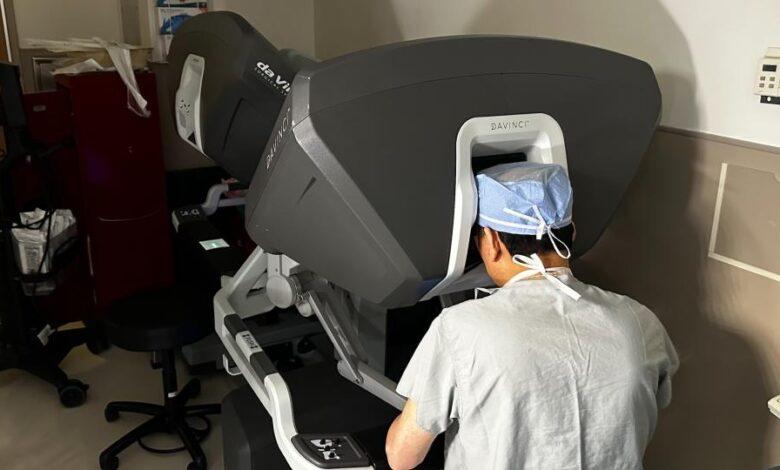
Surgeons at the Baylor St. Medical Center. Luke’s successfully performed the first fully robotic heart transplant in the US on an adult patient. About this informs press office of the medical center.
During the operation, lead surgeon Dr. Kenneth Liao and his team used a surgical robot that allowed precise, minimal incisions to be made without the need to open the chest or break the sternum. The affected heart was removed, and the donor heart was implanted through the preperitoneal space, bypassing the chest.
“Opening the chest and straightening the sternum can affect wound healing, delay rehabilitation, and prolong patient recovery, especially in heart transplant patients who are taking immunosuppressants. With a robotic approach, we preserve the integrity of the chest wall, which reduces the risk of infection and helps with early mobility, respiratory function and overall recovery.” – explained Liao.
In addition to less trauma, robotic transplantation has additional clinical advantages: it avoids significant bleeding due to bone dissection, reduces the need for blood transfusion, and thus the risk of developing antibodies to the transplanted organ.
The patient who underwent surgery was 45 years old and had been in the hospital since November 2024 due to progressive heart failure. He was fitted with several mechanical devices to support his heart. The transplant was performed at the beginning of March 2025, and a month after the operation, the patient was discharged home without complications.
“By becoming the home of this medical breakthrough in robotic heart transplantation, Baylor St. Luke’s Medical Center further cements its position as a global leader in healthcare. This pinnacle in heart transplantation brings great pride to our hospital and complements its legacy of medical achievements and care for the most complex diseases that can only be successfully treated by advanced healthcare systems.” – noted the president of the medical center, Bradley T. Lembker.