
Trump Opposes British Excess Profits Tax for Oil and Gas Companies: Whose Interests He Defends

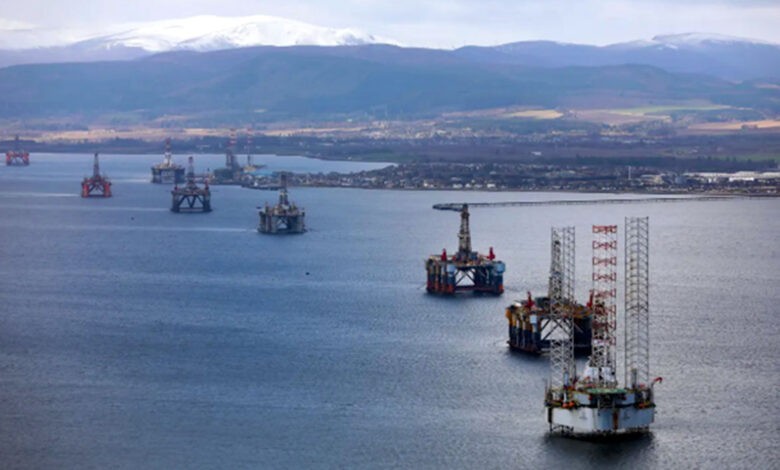
Donald Trump is the newly elected owner of the Oval Office expressed himself against Britain’s excess profits tax for oil and gas companies, strongly criticizing Prime Minister Keir Starmer’s policies. In a post on his own Truth Social platform, Trump bluntly stated: “Britain is making a huge mistake. Unlock the North Sea. Cancel the windmills!” His comments related to the withdrawal of American energy company Apache from the North Sea due to excessive taxation.
The Starmer government’s first budget includes an increase in excess profits tax to 38%, raising the overall rate for energy companies to 78% and extending the levy until 2030. The tax was introduced by the Conservatives in 2022 in response to revenue generated by rising energy prices following Russia’s full-scale invasion of Ukraine and the imposition of sanctions against the aggressor country. Labor has previously promised to stop issuing new licenses to extract fossil fuels in the North Sea, in stark contrast to Trump’s plans to boost the oil industry in the United States.
Trump’s comments added to recent ones attacks Elon Musk on Starmer. It is known that the favorite of the newly elected American president received a new position in the government. He has criticized Starmer’s policies, called for new UK elections and disagreed with proposals to regulate social media, including his own X platform.
How the tax on excess profits has affected the European energy sector The introduction of tax on excess profits of oil and gas companies in Great Britain has had a noticeable impact on the energy sector. Some companies have cut back on investment, while others, such as the American Apache, have announced their exit from the British market due to unprofitability.
Some countries in the Eurozone have introduced similar tariffs on energy companies to mitigate the effects of the energy crisis and support the population. Yes, Belgium introduced 100% taxation of excess profits of energy generating companies from 2022 to June 2023. Austria from 2022 withapproved A 90% levy on excess profits of companies involved in the production and transmission of electricity, and a 40% tax on oil and gas companies.
To reduce the impact of high energy prices on consumers, a tax on excess profits of energy companies introduced and Finland. For its part, the Czech Republic introduced a 60% tax for banks, oil and energy companies for a period of three years, starting in 2022.
European Union is planning receive €140 billion from a 33% tax on excess profits of energy companies for the 2022 financial year and direct these funds to support households and businesses.
Such a fiscal policy helps governments to accumulate funds to support the population and business in the conditions of the energy crisis. However, there are concerns that high tax rates could reduce the investment attractiveness of the energy sector and affect long-term energy security.
How Labour’s policies affect households
Labor policies affect ordinary British families through energy prices and welfare programmes. Higher taxes on energy companies can increase energy bills because companies can pass the cost on to consumers. This is especially true for families with lower incomes.
The government uses the additional fees to help people by introducing subsidies for pensioners and the poor, as well as investing in energy efficiency programs – insulating houses or installing solar panels. Some households receive direct cash assistance to pay for energy.
While the tax increase may cause difficulties in the short term, Labor believes it will bring environmental benefits, reduce dependence on fossil fuels, help tackle climate change and create new jobs. Over time, this could make energy cheaper and more accessible to everyone. Their policies are aimed at long-term stability, but it is important to provide support for people in transition.
Why Labor has stopped issuing permits for new fuel production
The intention of British Labor regarding termination issuing licenses for oil and gas production is part of a large-scale plan to achieve zero carbon emissions by 2050. Such a step corresponds to the global trends of the transition to “green” energy, aimed at reducing the use of fossil fuels and reducing greenhouse gas emissions. This decision also reflects public demand for the development of renewable energy sources, primarily wind and solar energy, which create new jobs, reduce dependence on energy imports and strengthen the country’s international authority.
The United Kingdom is already leading the way in renewable energy deployment, particularly in the development of offshore wind farms, investment in solar energy and the development of promising technologies such as hydrogen. The country’s policy is organically connected with the goals of the Paris Agreement, which provides for keeping global warming within 1.5-2°C. In addition, Britain actively develops energy-efficient technologies, electric mobility and supports international cooperation, in particular through the organization of the COP26 climate summit and the financing of projects in developing countries.
Although in the short term such changes may be challenging due to rising prices and losses in the traditional energy sector, in the long term they pave the way for economic sustainability, gaining energy independence and asserting leadership positions in the global fight against climate change. The success of this transformation depends on the presence of a clear and visionary strategy for the transition to an innovative model of energy supply, which should become a new foundation for the future.
Why Trump criticizes windmills
For his part, Trump defends the development of the oil and gas industry, as he considers it the key to US energy independence. He wants the country to rely more on its own resources rather than imports. This, in his opinion, will help create jobs, fill the budget and make the US a stronger global player. In addition, the ability to export energy carriers gives the US leverage over other countries, particularly Europe, which depends on gas imports.
As for windmills, Trump is skeptical about them. He believes that they are unreliable, expensive to install and maintain, and also harmful to the environment. His criticism of wind power is part of his skepticism about renewables. Teflon Don is convinced that the transition to “green” energy can harm the economy, destroy jobs in traditional industries and increase costs for ordinary citizens.
His position also reflects the interests of voters in the industrial regions of the United States that work in the oil and gas sector. In addition, he supports companies related to traditional energy that fund his political activities. As a result, Trump is betting on oil and gas as the basis of US economic stability and geopolitical power.
Why Musk has taken such a political stance in the UK and how it relates to his role in the US
In turn, Elon Musk criticizes the UK government’s intention to introduce new rules to regulate social networks. He worries that these initiatives will limit free speech, increase censorship and force platforms, including his company X (formerly Twitter), to spend more resources to comply with the new requirements.
Musk believes that increased control over content contradicts his vision of freedom on the Internet. He actively participates in the British political debate to defend his business interests and beliefs. Musk fears that tighter regulations could cause financial damage to his company X, which is already undergoing transformation. He also advocates freedom of speech and against government interference that can lead to censorship. The UK is an important market for its businesses and any regulatory changes could affect their operations. By criticizing Prime Minister Starmer and calling for new elections, Musk is trying to influence policy decisions affecting tech companies.
The statements of the odious billionaire Musk caused a stir among politicians and the public. The government has yet to officially respond, but lawmakers plan to subpoena Musk to testify about the misinformation being spread on his platform. Public opinion is divided: supporters of Musk support his fight for freedom of speech, while opponents consider his intervention inappropriate. The international community is watching the events and the situation remains tense.
Tetyana Viktorova


