Ukraine has approved the Procedure for Medical Support for Children at Risk of Developmental Disorders at Birth

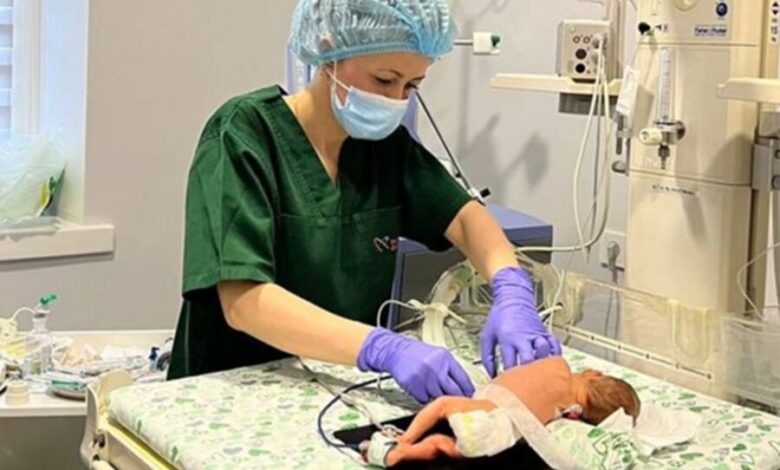
Ukraine has approved the Procedure for providing medical care for post-natal observation of newborns and children under four years of age who are at risk of developing disorders or chronic diseases. This concerns regular medical supervision, primarily for children born prematurely, as well as for those who are likely to develop pathologies. This was announced by Health Minister Viktor Lyashko.
According to him, this practice was used before, but there was no single standard, so approaches to observation could vary depending on the medical institution.
The minister explained that from now on the rules are the same for the entire country. The procedure determines which children are subject to observation, with what frequency the examinations are conducted, which areas of development are assessed and how further assistance is organized in case of risks being identified.
Lyashko emphasized that the goal of implementing uniform rules is to ensure that every child who needs additional attention receives it on time, regardless of their place of residence. It is important that belonging to the risk group will be established even before discharge from the maternity hospital. The doctor will assess the condition of the newborn, inform the parents and, if necessary, immediately refer the child for further medical support so as not to lose the first months of life.
Catamnestic examinations involve a comprehensive check of the child’s health and development – physical, motor, cognitive, speech, socio-emotional, as well as adaptive skills. This makes it possible to identify deviations in a timely manner and begin the necessary assistance.
The Ministry of Health notes that early diagnosis reduces the risk of disability, allows for timely rehabilitation, and improves the prognosis for the child and his family.