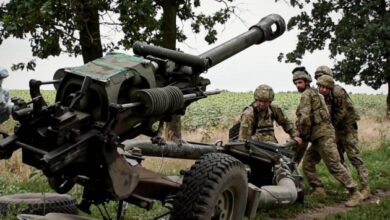
For assessments scientists from the Netherlands’ Wageningen University & Research, restoring Ukraine’s agricultural lands after a full-scale Russian invasion will cost the country at least 20 billion dollars. This amount is about 15% of the pre-war gross domestic product of Ukraine.
According to Professor Wilfred Dolfsma, who specializes in business and organizational management at the WUR, the true costs may be even higher. As he explained, the calculated amount does not include the cost of fuel, equipment or labor costs – these indicators are too variable to give an accurate estimate. For example, the price of work to remove a contaminated layer of soil depends on the availability of fields and weather conditions that can stop remediation.
The study is based on the analysis of high-precision satellite images, which determined the extent of damage to agricultural landscapes. Based on this, experts calculated the cost of the key stages of recovery — from demining and surveying the territories to filling up the pits and preparing areas for new farming.
For example, at least 2 billion dollars are needed for works in the Kharkiv region alone. And in general, at least nine other regions of Ukraine suffered significant damage — the costs of their restoration will be approximately commensurate.
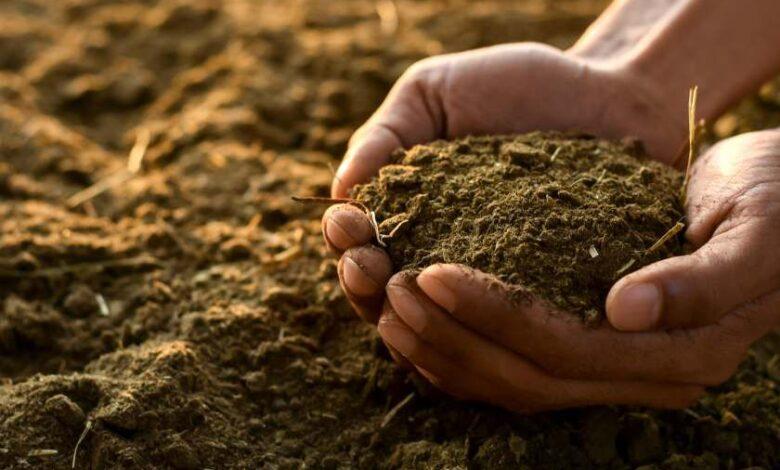
Scientists emphasize that the explosions of rockets and shells caused deep changes in the soil structure – the so-called “bombing”, which destroys the upper layer of the earth, stirs it and leaves behind craters. In addition, munitions debris and explosives saturate the ground with heavy metals and toxic chemicals. Recent field studies in Ukraine recorded a significant excess of cadmium, copper, zinc and fuel and lubricant residues.
A separate, though no less important, problem is the destruction of wind-protective forest strips that served to protect fields from wind erosion. This is another of the many challenges that specialists will have to face in the process of restoring agriculture.