Millions of Ukrainians are in the European Union with temporary protection status, but the states are gradually changing their approach to reception, social support and document verification. Against the backdrop of a long war, EU governments are more carefully assessing who is entitled to protection, whether a person complies with migration rules and whether there are grounds for continued residence after the end of the current support mechanisms.
What does readmission mean
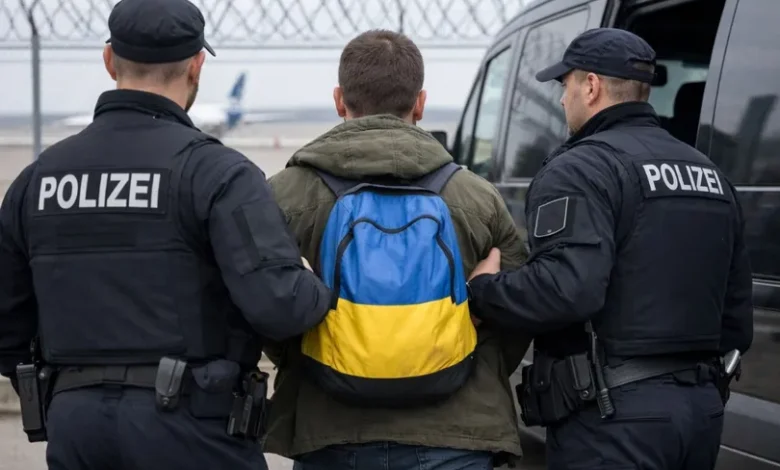
Readmission involves the return of a person to the country of citizenship or previous residence if he is illegally abroad. For Ukrainians, this mechanism can be used when a person has violated migration rules, lost the right to legal residence, failed to obtain the necessary documents or entered an EU country outside the legal procedure.
The Head of the State Migration Service of Ukraine, Nataliya Naumenko, stated about the increase in the number of requests from European countries for the return of Ukrainian citizens. Among the countries making such requests, Poland, the Czech Republic and Germany were mentioned. This can apply to both men and women if the grounds for staying in the EU are absent or have been lost.
The highest risk is faced by Ukrainians who crossed the border outside official checkpoints. This category includes people who entered the EU via an illegal route, in particular across a river, a forest section of the border or with the help of intermediaries who organize illegal departure.
A separate risk group is people who have not extended their documents, missed the application deadlines, failed to renew their temporary protection card, or stayed in the country after the permitted period of stay expired. Even with a Ukrainian passport, the lack of a valid status in an EU country can be a basis for a migration procedure.
Return may also threaten those who have violated the law in the territory of the host country. In such cases, migration authorities may consider the case separately from the general rules of temporary protection, especially if the offense affects security, public order, or the person’s right to remain in the country.
Most often, risks arise from simple but serious violations: expired documents, lack of registration, work without registration, undeclared moves between countries, ignoring letters from migration services, or untimely renewal of the residence card.
A separate risk is travel, which may raise questions in the host country. If a person received protection due to war, but often travels to other countries or leaves the country for a long time, the migration service can check whether the grounds for the status are still valid.
Why moving between EU countries is becoming more difficult
It is becoming increasingly difficult for Ukrainians to change their country of residence within the EU after receiving temporary protection in another country. If a person has already registered their status in Germany, the Czech Republic, Poland or another country, the new country may refuse to re-register or require additional explanations.
This approach is due to the desire of governments to avoid a situation where people move en masse between countries due to differences in social benefits, housing support or document requirements. For the applicant, this means that before moving, it is necessary to find out the rules of the new country, close or correctly transfer the previous status and have confirmation of legal stay.
What is happening with temporary protection
Temporary protection for Ukrainians in the EU has been extended until March 4, 2027. It gives the right to legal residence, access to work, education, healthcare and some social support, but each country sets its own rules on payments, housing, registration and renewal of documents.
After 2027, the EU must determine a further mechanism for Ukrainians: extension of protection, transition to national residence permits or return programs. Due to this uncertainty, Ukrainians should check their documents in advance, confirm work, studies, family reasons or other legitimate reasons for stay.
What Ukrainians in the EU should do
Ukrainians staying in Europe need to check the validity of all documents, keep copies of decisions on granting protection, have proof of address, employment contract or other evidence of legal residence. If a country requires renewal of the card or re-registration, it is better to go through the procedure without delay.
People planning to move to another EU country should check before leaving whether this country accepts applications from Ukrainians who have already had protection elsewhere. Moving without checking the rules can lead to loss of support, denial of new status, or problems with legal stay.
The main risk does not apply to all Ukrainians, but to those who have lost their legal grounds for stay, violated entry rules, or failed to take care of their documents. For people with valid status, up-to-date permits, and a clear history of residence, the threat of forced return is much lower.