Vacations and tourist behavior of Ukrainians: between the need to survive and the inability to relax

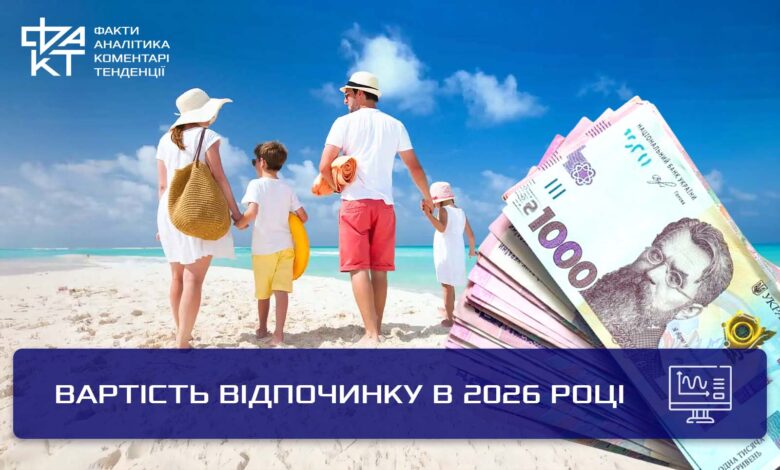
Vacation in 2026 has become an indicator for Ukrainians of how far war, inflation, and exhaustion have entered their everyday lives. The tourism market is gradually recovering, domestic destinations are becoming more expensive, foreign tours remain affordable for a part of the audience, but the main thing is visible behind this dynamics: more and more people are not planning their vacation due to lack of financial resources. The 2026 season shows how Ukrainians’ perception of the right to rest is changing.
Ukrainian vacation market in 2026: price dynamics and new consumer practices
According to a survey by Rakuten Viber, 51% of citizens have completely abandoned vacation this year, which indicates a critical level of economic pressure or emotional exhaustion. The situation is exacerbated by a sharp increase in the cost of domestic tourism, where prices for holidays in Ukraine have jumped by 25–40%, which forced 23% of respondents to reorient themselves to mountain resorts and short city trips instead of the traditional seaside. Even 15% of Ukrainians planning to travel abroad are forced to adapt their plans to such global challenges as the shortage of aviation fuel or military tension in the Middle East.
A full-scale war paralyzed the Ukrainian hospitality industry for a long time, plunging it into a state of forced anabiosis. Only in the summer of 2025 did the industry show the first signs of confident regeneration, when the volume of tourist receipts for the first time managed to cross the pre-crisis level, and the current 2026 has finally consolidated this upward trend. This growth effect is largely dictated by the isolation of the domestic market, as the inability of men of military age to travel, combined with complex logistics, time costs and the devaluation of the national currency, have made foreign trips an unaffordable luxury for most citizens.
However, financial capacity remains the main barrier to planning vacations, as according to surveys, 55% of respondents complain about a lack of funds, while 14% of those surveyed are held back by the ethical aspect, which lies in the feeling that vacationing is inappropriate now. The rest is divided between reluctance to go somewhere (10%), family worries (6%), workload (6%) and security concerns (6%), which emphasizes the complex psycho-emotional background of society.
The transformation of Ukrainians’ preferences in 2026 clearly outlined the dominance of mountain resorts, which win the competition due to the combination of modern infrastructure, relative safety and a wide range of health services. In contrast to the Carpathians, sea vacations are localized exclusively in the Odessa region, but this direction is burdened with critical shortcomings: closed beach areas, outdated hotel facilities and an obvious dissonance between high prices and mediocre service quality.
The neighboring Mykolaiv region remains in the zone of direct fire and under the threat of attacks by FPV drones, which makes the opening of local beaches impossible due to military expediency. The Odessa OVA plans to legalize the work of about 36 sections of the coast this year, which exceeds last year’s figures, but each such facility undergoes a multi-level check by special commissions for compliance with strict protection criteria.
The operation of official recreation areas is accompanied by the introduction of technical mine safety measures, including mandatory nets for intercepting floating objects and constant surveillance of the water area using underwater drones and sonar. To minimize risks during air alarms, the beach infrastructure now includes mobile concrete shelters located in close proximity to the sandy area, which allows for rapid evacuation of people in the event of a threat. At the same time, the rules for being on the water remain strictly limited: any use of private watercraft, from boats to ordinary SUP boards, is strictly prohibited due to the risk of being identified as a hostile target or encountering drifting explosive devices.
The market situation in the real estate rental segment in Odessa demonstrates contradictory trends, where prices for premium housing in the Primorsky district continue to grow, while the budget segment demonstrates some stagnation or even a slight decrease in value. Rent for a standard one-room apartment in the central part of the city currently ranges from 15,400 hryvnias per month, which is comparable to prices in the capital, while in more remote areas, such as Peresypsky, offers start from 6,900 hryvnias. This price gap is due not only to the proximity to the sea, but also to the presence of a modern autonomous power system and underground parking lots in new buildings, which serve as reliable shelters during shelling.
The ecological state of the Black Sea remains the subject of close attention of scientists, as the war has caused complex pollution of the water area with chemical compounds from explosions and fuel and lubricants from sunken equipment. Despite the visual purity of the water on some days, hidden threats in the form of man-made debris and the consequences of the destruction of hydraulic structures force experts to recommend swimming only in officially verified and cleared locations. The 2026 holiday season in Ukraine has actually turned into a local recreation format, where the main priority is not comfort or service, but physical safety and the opportunity to get short-term emotional relief in conditions of high uncertainty.
Market analysis from specialists of Ribas Hotels Group shows that the lion’s share of a traveler’s expenses — from 40% to 50% of the total budget — is absorbed by accommodation itself. This year, pricing policy has come under significant pressure, demonstrating an increase of 25–40% compared to last year. If in 2025 a simple manor house could be rented for 600–1200 hryvnias, now the price tag starts from 800 hryvnias and reaches 1500 hryvnias per night. A similar progression is observed in the premium segment, where the cost of rooms in SPA hotels fluctuates within 6,000–12,000 hryvnias, which is due to both hyped demand and soaring operating costs, in particular, the increase in the price of electricity for businesses to 12.50 hryvnias per kWh and an increase in fuel prices by 13.2%.
The gastronomic component of the vacation reliably holds the second position in expenses, forming from 20% to 30% of the budget, where the minimum daily set of products costs 500–700 hryvnias, and comfortable meals with an emphasis on local flavor and atmospheric establishments will cost 1,500–2,000 hryvnias per person. Logistical costs, covering from 10% to 15% of the budget, range from budget rail trips for 500 hryvnias to substantial fuel costs for a private car, which can reach 5,000 hryvnias per route. The least expensive, but most variable part remains leisure, which takes up about 10% of the total amount, which includes a modest lift ticket for 200 hryvnias or extreme jeep tours, the cost of which reaches 4,000 hryvnias.
Thus, the minimum threshold for entering a full-fledged daily vacation in 2026, which includes basic accommodation, meals and a minimum of activities, was fixed at 2,000 hryvnias, emphasizing the need for careful financial planning to restore mental resources.
Tourism despite crises: why Ukrainians continue to plan summer vacations abroad
It is interesting that, unlike Western European tourists, who are still numb due to geopolitical instability and a sharp increase in the price of aviation fuel caused by the military actions of the USA and Israel in Iran, Ukrainians continue to plan summer vacations, ignoring logistical difficulties and the high cost of routes. As we can see, the Ukrainian tourism market demonstrates amazing resilience, since many years of experience living in extreme conditions have formed a specific immunity to global shocks in our travelers.
Statistics Join UP! confirm that Turkey and Egypt remain unshakable leaders of sympathy, offering the usual “all-inclusive” format and ideal infrastructure for families with children, which in conditions of constant stress becomes almost the only way for our citizens to have a quality reboot.
The situation in the Middle East slowed down the dynamics of bookings for a while, but the absence of direct threats to resort areas quickly returned demand to its usual course. The Turkish destination attracts with its geographical diversity: sunny Antalya with its sandy beaches (from 16,486 hryvnias) remains a favorite for a long swimming season, while Aegean Bodrum (from 19,784 hryvnias) and Dalaman (from 20,867 hryvnias) offer a sophisticated European atmosphere, a milder climate and a pleasant bonus in the form of a minimal presence of Russian tourists.
The Egyptian market is undergoing a transformation, as the outflow of vacationers from the Persian Gulf countries and the USA, who were frightened by disruptions in air traffic, has freed up a niche for Ukrainians. Along with the traditional Hurghada (from 24,034 hryvnias) and Sharm El Sheikh (from 23,232 hryvnias), where hotels are only 80% full of the pre-war level, new locations are increasingly loudly declaring themselves. Marsa Alam (from 27,046 hryvnias), which has long been a protected area for Europeans, and the Mediterranean El Alamein (from 32,201 hryvnias) are becoming a real discovery for those who seek luxury without unnecessary noise and crowds.
Greece this year is becoming a real springboard for experiments, expanding horizons beyond the usual templates. Classic Crete (from 19,823 hryvnias) still holds the lead thanks to its versatility – from budget apartments to elite villas. The real pearls of this tourist season are new destinations, each of which offers travelers a unique character and an unforgettable atmosphere. If a tourist is looking for incredible visual impressions, then you should pay attention to Zakynthos.
This island, the cost of tours to which starts from 26,029 hryvnias, has become a real magnet for young people. It captivates with its fantastic landscapes, where snow-white cliffs contrast with the incredible blue of the Ionian Sea. For those who appreciate elegance and a deep immersion in the past, Corfu can be an ideal choice. With a price of 31,086 hryvnias, the island is a true embodiment of aristocratic charm.
Here, the historical heritage of different eras is harmoniously combined with exquisite architecture and cozy streets of old towns. Rhodes offers travelers the perfect balance between active knowledge of history and a relaxed beach holiday. For a price of 21,611 hryvnias, you can touch the ancient fortresses and at the same time enjoy the warm sea, which makes this destination one of the most balanced options of the season.
Finally, for lovers of peace and comfort, Halkidiki opens. A trip here will cost from 28,321 hryvnias and will give you the comfort of the so-called “green” Greece. This region is famous for its luxurious pine forests that reach the very shore, and an impeccable level of service that will satisfy even the most demanding tourists. Cyprus (from 29,256 UAH) offers a unique combination of active mountain tourism in the Troodos massif with a beach holiday, while Spain remains the benchmark for any vacation format.
From boat trips to Palma de Mallorca (from 41,507 UAH) to the cultural whirlwind of Barcelona (from 34,970 UAH) or the cleanliness of the Alicante coast (from 40,006 UAH), everyone will find their rhythm. In contrast, Montenegro (from 21,046 UAH) and Albania (from 25,215 UAH) conquer with a combination of wild nature, archaeological sites and affordable prices, giving the feeling of a pioneer for a moderate cost.
Bus tours confidently hold their market share, becoming a salvation for those who avoid flights or are looking for the most economical options. Bulgaria (from 9,750 hryvnias) with its wide sandy beaches and gentle entrance to the sea is an unchanging leader in the children’s recreation segment. Montenegro in a bus format (from 11,156 hryvnias) allows tourists to independently choose the level of comfort – from modest villas to five-star hotels, without losing access to majestic mountain landscapes.
Tunisia acts as a “dark horse”, offering a profitable replacement for expensive destinations during the peak season. Flight programs to Enfidha (from 26,542 hryvnias) and Monastir (from 24,505 hryvnias) start at the turn of spring and summer, opening access to thalassotherapy and exotic Berber culture according to European service standards. Finally, the most ambitious new item is the Chinese island of Hainan (from 45,032 hryvnias), where the tropical jungle and the modern infrastructure of the city of Sanya create a unique cocktail for discerning travelers. Paradoxically, the current crisis is working in the Ukrainians’ favor, because while the world hesitates, our citizens are able to relax at the best resorts in the world at lower prices and in conditions of silence unusual for peak dates.
The transformation of the Ukrainian tourism market in 2026 finally closed the era of “rest for the sake of entertainment”, turning a trip into a complex equation of security risks, logistical labyrinths and tough financial mathematics. While the world’s tourist reacts to instability in the East, Ukrainians have learned to book hotels in Odessa, checking the map of minefields, and look for “quiet luxury” in Egypt, where the lack of air connections scared away Western conservatives.
However, behind the figures of the growth of domestic revenue and the occupancy of foreign flights lies a disturbing social gap. Today, the right to “reboot” is becoming not just a question of the availability of funds, but a marker of resistance to ethical pressure and chronic stress. When half of the population is forced to completely abandon summer vacations, and the minimum threshold for entry into one day of vacation is equal to several days of earnings of an average specialist, tourism ceases to be a service industry.
It becomes a mirror of social inequality and at the same time a tool for preserving the mental health of the nation. At the same time, the Ukrainian thirst for life has turned out to be stronger than global inflation and closed borders. The only question is how many seasons this resource of vitality will last if the “minimum check” for peace continues to grow faster than our capabilities.