April 29 is celebrated as All-Ukrainian Football Day, International Guide Dog Day, International Immunology Day and the Day of Remembrance for All Victims of Chemical Weapons. On this day, historical events took place, covering the formation of the Ukrainian state, world wars, scientific discoveries, technical innovations, international agreements and political changes in different countries.
All-Ukrainian Football Day
The celebration of this day is associated with the first match of the Ukrainian national team after the restoration of independence: on April 29, 1992, the Ukrainian team played in Uzhgorod against Hungary. The match ended in a 1:3 defeat, but it was from it that a separate history of the Ukrainian national team began.
This day concerns professional, children’s, amateur and veteran football, the work of coaches, referees, clubs and fans. Ukrainian football has gone from the first championships of the 1990s to the national team’s performances at major tournaments, victories of youth teams and the preservation of competitions during a full-scale war.
Interesting facts
Among the outstanding Ukrainian football players, a special place is occupied by Oleg Blokhin, Igor Belanov and Andriy Shevchenko – the owners of the Golden Ball, who at different times made Ukrainian football noticeable in Europe. Blokhin became a symbol of Dynamo Kyiv in the 1970s, Belanov went down in history after brilliant performances as part of Dynamo and the USSR national team, and Shevchenko became famous for playing for Dynamo, Milan and the Ukrainian national team, becoming one of the best strikers of his generation. The most famous Ukrainian players also include Anatoly Demyanenko, Oleksandr Zavarov, Oleg Protasov, Serhiy Rebrov, Anatoly Tymoshchuk, Andriy Voronin, Ruslan Rotan, Yevhen Konoplyanka, Andriy Yarmolenko, Oleksandr Zinchenko, Mykhailo Mudryk, Artem Dovbyk and Heorhiy Sudakov. Their performances in Ukrainian clubs, European championships and the national team have become an important part of the history of Ukrainian football.
The first goal in the history of the national team was scored by Ivan Getsko, a forward from Odessa’s Chornomorets.
The first captain of the Ukrainian national team was Yuriy Shelepnytskyi. For him, the match on April 29, 1992 against Hungary remained the only one in the country’s main team, but it was he who led the Ukrainian national team to its first game.
The first championship of independent Ukraine in 1992 was very short and lasted only a few months. The champion was Simferopol’s Tavria, which defeated Kyiv’s Dynamo 1-0 in the decisive match in Lviv.
In 2019, the Ukrainian U-20 national team won the FIFA World Cup. In the final in Łódź, Poland, the Ukrainians defeated South Korea 3-1, and this title became the first world championship for the Ukrainian national football team of any age.
After the start of the full-scale invasion, the Ukrainian championship was not held for several months, but the 2022/2023 UPL season started on August 23, 2022. The first match was the game between Shakhtar and Kharkiv’s Metalist 1925 at the NSK Olimpiyskyi, which ended 0-0 and was held without spectators.
The first UPL match, which was interrupted due to an air raid alert, took place on August 24, 2022 in Lviv. Rukh and Metalist played, the players took cover several times, and the situation itself became a new reality of Ukrainian wartime football.
In November 2023, the match between Dnipro-1 and Oleksandria became one of the longest in the history of the Ukrainian Premier League due to air raids. The game lasted more than four and a half hours, although the net playing time, as usual, was 90 minutes plus stoppage time.
The Yuri Gagarin Stadium in Chernihiv, the home arena of Desna, was severely damaged by Russian shelling in 2022. Before the war, UPL matches were held there, and after the strikes, craters and debris remained on the field and stands.
During the war in Ukraine, amputees began to develop actively. Veterans and civilians with amputees play in such teams, including people who lost limbs as a result of hostilities. For many of them, football has become part of their rehabilitation and return to active life.
International Guide Dog Day
This day reminds us of the work of specially trained dogs that help people with visual impairments move around the city more safely, use transport, avoid obstacles and feel more confident in everyday life.
A guide dog undergoes extensive training and works in tandem with a person, not replacing their decisions. Such an animal must be able to stop in front of the curb, avoid dangerous places, not react to unnecessary stimuli and even not follow a command when moving forward can harm a person. In many countries, the training of guide dogs has become a separate professional system, while in Ukraine such assistance is still developing slowly, and the need for it has especially increased due to injuries and loss of vision during the war.
Interesting facts
The first special schools for guide dogs appeared after the First World War. In 1916, in Oldenburg, Germany, doctor Gerhard Stalling opened a school where dogs were trained to help soldiers who had lost their sight at the front. Initially, such training was related to the needs of veterans, and later it spread to blind civilians.
One of the most famous pairs in history was the American Morris Frank and a German shepherd named “Buddy”. In 1928, Frank trained with his dog in Switzerland, returned to the USA and showed journalists how he could independently cross the busy streets of New York. After that, in America, they began to talk more actively about the right of blind people to move together with guide dogs.
Guide dogs do not read traffic lights the way a person does. They are guided by traffic, curbs, the behavior of pedestrians and the owner’s commands. The person determines the route and direction, and the dog is responsible for safely passing obstacles on the way.
The most important skill of a guide dog is called “intelligent disobedience.” If a person gives the command to go forward, but a car, bicycle or electric scooter is ahead, the dog must disobey. For a service animal, such a refusal is not a mistake, but on the contrary, it indicates a high level of training.
Not every puppy can become a guide dog. During selection, not only the breed is taken into account, but also the character, resistance to noise, ability to concentrate, lack of aggression, health and desire to work with a person. Some dogs are not allowed to work as guides after training, but can perform other service or social roles.
Most often, Labradors, golden retrievers, German shepherds and their crosses are chosen for such work. Labradors have become especially popular due to their calm character, endurance, good memory and ability to work in a busy urban environment.
For a long time, there was no full-fledged system of training guide dogs in Ukraine. Individual people received such dogs from abroad or with the help of public initiatives, but there was no mass accessible program for blind people. The war made the problem more acute, as the number of people with severe eye injuries increased among military and civilian personnel.
After the start of a full-scale war in Ukraine, initiatives appeared to create the first professional guide dog training center for veterans, children, and civilians who lost their sight due to hostilities. Such a center should not only train dogs, but also prepare people for proper interaction with them, because successful work depends on both members of the pair.
A guide dog should not be distracted, petted, fed, or called while working. Even a friendly attempt to play can knock the animal out of concentration, and for a person with visual impairment, such a moment can create danger at a crossing, in transport, or in a crowd.
International Immunology Day
This day was established in 2005 to help more people understand how the immune system works, why vaccinations are important, how allergies, autoimmune diseases, immunodeficiencies and complications after infections arise.
Immunology explains how the body recognizes viruses, bacteria, tumor cells, transplanted organs or its own tissues, which are mistakenly perceived as dangerous. For Ukraine, the topic is of particular importance due to war, injuries, infectious risks, interrupted vaccination, displacement of people and the burden on the medical system.
Interesting facts
Ukrainian Ilya Mechnikov became one of the founders of modern immunology. He was born in the Kharkiv region, studied the body’s cellular defenses and described phagocytosis – the ability of individual cells to absorb and destroy dangerous particles. In 1908, Mechnikov received the Nobel Prize in Physiology or Medicine.
One of the most important discoveries in immunology was not related to the laboratory, but to the observation of milkmaids. The English physician Edward Jenner noticed that women who had had cowpox were less likely to get smallpox naturally. Thus began the history of vaccination at the end of the 18th century.
The immune system has a memory. After encountering a certain pathogen or after vaccination, cells remain in the body that are able to more quickly recognize danger upon re-contact. It is thanks to such memory that vaccination can protect a person not for one day, but for months or years.
An allergy occurs when the immune system reacts too sharply to substances that do not pose a threat to most people. Pollen, animal hair, food products or insect bites can trigger a reaction similar to protection from a dangerous enemy, although there is no real infection.
Autoimmune diseases show that the immune system can be mistaken. In such conditions, the immune system attacks the body’s own cells and tissues. Such diseases include, in particular, type 1 diabetes, multiple sclerosis, rheumatoid arthritis and systemic lupus erythematosus.
During the full-scale war in Ukraine, the importance of vaccination against tetanus has increased. The risk is especially high in mine-explosive injuries, deep wounds, contamination with soil, debris or metal. For military personnel, rescuers and civilians in front-line areas, such vaccination can be crucial.
After the Russian shelling of energy infrastructure in Ukraine, additional risks arose for vaccine storage. Most drugs require a stable temperature regime, so hospitals and vaccination points used generators, refrigeration equipment and special logistical solutions to prevent vaccines from spoiling.
The war affected childhood immunization in Ukraine. Some children missed routine vaccinations due to evacuation, destruction of medical facilities, and moving within the country or abroad. Such breaks increase the risk of diseases that can be controlled by vaccination returning.
Immunology is of great importance in oncology. Modern immunotherapy does not act like conventional chemotherapy: it helps the immune system recognize and attack tumor cells. For some types of cancer, this approach has become one of the most important areas of treatment.
Day of Remembrance for All Victims of Chemical Weapons
This day is associated with April 29, the date of entry into force of the Chemical Weapons Convention in 1997. It is dedicated to people who died or were injured by toxic substances during wars, terrorist attacks, repressions and armed conflicts.
Chemical weapons are particularly dangerous because of their indiscriminate action: they can affect military personnel, civilians, doctors, rescuers and people who are near the site of the attack. The ban on such weapons has become one of the most important international agreements in the field of security, but the events of recent decades show that the risk of their use has not disappeared.
Tragic facts
The Chemical Weapons Convention prohibits the development, production, stockpiling and use of chemical weapons, and also provides for the destruction of existing stocks. Unlike many international documents, this agreement has a system of verification and inspections.
The mass use of chemical weapons began during the First World War. In April 1915, near the Belgian city of Ypres, German troops used chlorine against the Allies. The gas cloud moved through the trenches, causing suffocation, respiratory burns and panic, and the name “mustard gas” later became attached to one of the most famous combat poisonous agents.
Mustard gas was named after the city of Ypres, although it was first tested and studied earlier. This substance affects the skin, eyes and lungs, and symptoms may not appear immediately. Because of this delay, a person may not initially understand the extent of the damage, and later suffer severe blistering, blindness or fatal complications.
During the First World War, hundreds of thousands of people were affected by chemical weapons. Many soldiers survived gas attacks, but returned with damaged lungs, damaged vision, chronic illnesses and psychological trauma. It was after this that chemical weapons became a symbol of a particularly brutal war.
The Organization for the Prohibition of Chemical Weapons received the Nobel Peace Prize in 2013. The reason was its many years of work to destroy chemical weapons stockpiles and monitor the implementation of the international ban. At that time, the world had already eliminated large arsenals of toxic substances accumulated since the Cold War.
One of the most terrible cases of chemical weapons use against civilians was the attack on the city of Halabja in Iraq in 1988. During the operation of Saddam Hussein’s regime against the Kurdish population, poisonous substances were used, and the death toll is estimated at thousands of people. The consequences of that attack affected the health of residents for many years.
In 1995, a terrorist attack using sarin occurred in the Tokyo subway. The religious sect Aum Shinrikyo sprayed the nerve agent on trains during rush hour. People died, thousands were injured, and the incident itself showed that the chemical threat can arise not only on the battlefield.
During the war in Syria, chemical weapons again became part of real war crimes. The most famous was the attack in the Ghouta area in 2013, where the use of sarin led to a large number of civilian casualties. This incident became one of the main proofs that the international ban does not guarantee complete protection without investigation and accountability.
During Russia’s full-scale war against Ukraine, Ukrainian military forces have repeatedly reported dropping grenades containing irritants from drones. Such substances are often called “tear gas,” but their use as a method of warfare is prohibited because they can force people to leave cover under fire.
In 2024–2025, international experts confirmed the presence of CS in samples related to frontline incidents in Ukraine. CS is known as an irritant used to disperse riots, but in war its use has a different effect: the gas can force soldiers out of dugouts, trenches, and closed positions under fire.
Historical events on this day
998 – On the orders of the Holy Roman Emperor, Crescentius, a Roman patrician and leader of a rebellion against Pope Gregory V, was executed. His speech was part of a power struggle in Rome, where local nobles sought to limit the influence of the emperor and the papal authority.
1429 – During the Hundred Years’ War, French troops led by 17-year-old Joan of Arc defeated the English near Orleans. The success at Orleans was a turning point for France, as it raised the morale of the army and changed the course of the war after long defeats.
1624 – King Louis XIII appointed Cardinal Armand Jean du Plessis de Richelieu as the first minister of France. Richelieu became one of the most influential politicians in 17th-century Europe, strengthening royal power, limiting the influence of the nobility, and making France an important player in European politics.
1648 – The Battle of Yellow Waters began, one of the first major battles of the National Liberation War led by Bohdan Khmelnytsky. The Ukrainian Cossack army, together with Crimean Tatar allies, opposed the forces of the Polish-Lithuanian Commonwealth, and the victory was an important beginning of a large-scale uprising.
1661 – Chinese troops led by Zheng Chenggong, also known as Koxinga, began the capture of Taiwan. The island was under the control of the Dutch East India Company, and the events of 1661 marked the beginning of Taiwan’s transition to the rule of forces associated with the Chinese Ming Dynasty.
1676 – Біля берегів Сицилії під час морської битви з французьким флотом загинув нідерландський адмірал Міхіель де Рюйтер. Він вважався одним із найвидатніших флотоводців XVII століття, а його смерть стала тяжкою втратою для Нідерландів у боротьбі за контроль над морськими шляхами.
1707 – Окремий шотландський парламент припинив існування після об’єднання Англії та Шотландії. Його депутати увійшли до складу спільного парламенту, а два королівства утворили Королівство Великої Британії, що змінило політичну карту Британських островів.
1770 – Британський мореплавець Джеймс Кук уперше висадився на східному узбережжі Австралії. Його експедиція мала велике значення для британської колоніальної політики, а контакт із материком став початком нової епохи в історії Австралії, болісної для корінних народів.
1854 – Німецький вітрильник «Фаворит» зіткнувся з американським судном і затонув. У катастрофі загинула 201 людина, а сама трагедія стала одним із прикладів небезпек морського судноплавства середини XIX століття, коли навігація ще значною мірою залежала від погоди, видимості та досвіду екіпажів.
1863 – У Російській імперії скасували тілесні покарання і клеймування за рішенням суду. Реформа була частиною ширших змін після скасування кріпацтва, однак каральна система імперії й надалі залишалася жорсткою, особливо щодо політичних опонентів і підкорених народів.
1882 – У Берліні почала діяти перша у світі експериментальна тролейбусна лінія, створена компанією Siemens & Halske. Вона працювала як випробування нового виду електричного транспорту й стала раннім кроком до розвитку міського громадського транспорту на електротязі.
1897 – Британський фізик Джозеф Джон Томсон повідомив про відкриття електрона. Його дослідження показали, що атом має складну внутрішню будову, а відкриття електрона змінило уявлення про матерію та стало основою для розвитку сучасної фізики.
1907 – У Києві відбулося перше засідання Українського наукового товариства під головуванням Михайла Грушевського. Товариство об’єднало українських учених і дослідників, сприяло розвитку науки українською мовою та стало важливим осередком інтелектуального життя.
1913 – Шведсько-американський інженер Гідеон Сундбек запатентував удосконалену застібку-блискавку із зубчиками. Його конструкція зробила застібку практичною, міцною й зручною, а згодом вона стала звичним елементом одягу, сумок, взуття та спорядження.
1915 – Розпочалися бої Українських січових стрільців із російськими військами на горі Маківці в Карпатах. Для УСС ця битва стала одним із найважливіших бойових випробувань, а Маківка увійшла в українську військову пам’ять як символ організованого українського збройного виступу в роки Першої світової війни.
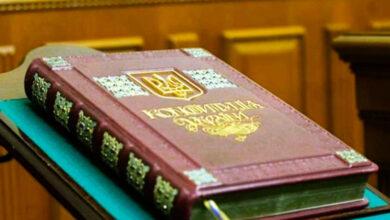
1918 – Українська Центральна Рада схвалила Основний Закон Республіки, який мав закріпити державний устрій Української Народної Республіки. Того ж дня Всеукраїнський з’їзд хліборобів обрав Павла Скоропадського гетьманом України, а в Севастополі кораблі Чорноморського флоту підняли українські прапори.
1919 – В Українській Народній Республіці відбулася спроба державного перевороту під керівництвом отамана Володимира Оскілка. Виступ був спрямований проти Директорії УНР і засвідчив глибокі внутрішні суперечності в українському таборі під час боротьби за незалежність.
1931 – У СРСР провели першу дослідну телетрансляцію. Передача мала експериментальний характер і стала раннім етапом розвитку телебачення, яке згодом перетворилося на один із головних засобів масової інформації та пропаганди в радянській державі.
1945 – Американські війська звільнили в’язнів концентраційного табору Дахау в Німеччині. Табір був одним з перших нацистських концтаборів і працював із 1933 року, а його звільнення відкрило світові ще більше свідчень про масштаби злочинів нацистського режиму.
1945 – Адольф Гітлер у берлінському бункері одружився зі своєю давньою партнеркою Євою Браун і призначив адмірала Карла Деніца своїм наступником. У той момент Третій рейх уже фактично розпадався, радянські війська штурмували Берлін, а нацистське керівництво втрачало контроль над країною.
1945 – Італійську комуну Форново-ді-Таро звільнили від нацистських військ бразильські підрозділи. Участь Бразильського експедиційного корпусу в боях в Італії стала маловідомою, але важливою сторінкою Другої світової війни.
1975 – Останні американські війська залишили В’єтнам. Виведення військ відбулося на тлі завершення В’єтнамської війни, падіння Південного В’єтнаму й евакуації людей із Сайгона, яка стала одним із найвідоміших символів американської поразки.
1975 – У Донецьку ввели в дію шахту імені Скочинського, яка на той час була найглибшою в СРСР. Її запуск підкреслював значення Донбасу для радянської вугільної промисловості, хоча робота на таких глибинах залишалася надзвичайно небезпечною для шахтарів.
1982 – Населення Китаю перевищило один мільярд людей. Такий демографічний рубіж мав величезне значення для економіки, соціальної політики й майбутнього розвитку країни, яка вже тоді була найнаселенішою державою світу.
1990 – У Києві ухвалили рішення про розпуск Української Гельсінської Спілки та створення на її основі Української республіканської партії. Перехід від правозахисного руху до політичної партії став важливим етапом у боротьбі за незалежність України наприкінці радянського періоду.
1992 – Національна збірна України з футболу провела свій перший матч після відновлення незалежності. Гра відбулася в Ужгороді проти збірної Угорщини й завершилася поразкою України з рахунком 1:3, а перший гол в історії української збірної забив Іван Гецко.
1995 – У Казахстані відбувся референдум, на якому більшість виборців підтримала продовження повноважень президента Нурсултана Назарбаєва до 2001 року. Голосування закріпило його політичне домінування й стало одним із кроків до формування тривалої персоналізованої влади в країні.
1997 – Набрала чинності Конвенція про заборону хімічної зброї, ухвалена у 1993 році. Документ заборонив розробку, виробництво, накопичення та застосування хімічної зброї, а також передбачив міжнародний контроль за знищенням наявних запасів.
2011 – У Лондоні відбулося весілля принца Вільяма та Кейт Міддлтон. Церемонія у Вестмінстерському абатстві привернула увагу мільйонів глядачів у світі й стала однією з найпомітніших подій у новітній історії британської королівської родини.
2014 – Сепаратисти захопили будівлю Луганської обласної державної адміністрації. Подія стала одним з ключових епізодів розгортання російської гібридної агресії на сході України, що згодом призвело до окупації частини Луганської області.