Belgium and the European Commission will hold a special meeting on the use of frozen Russian assets

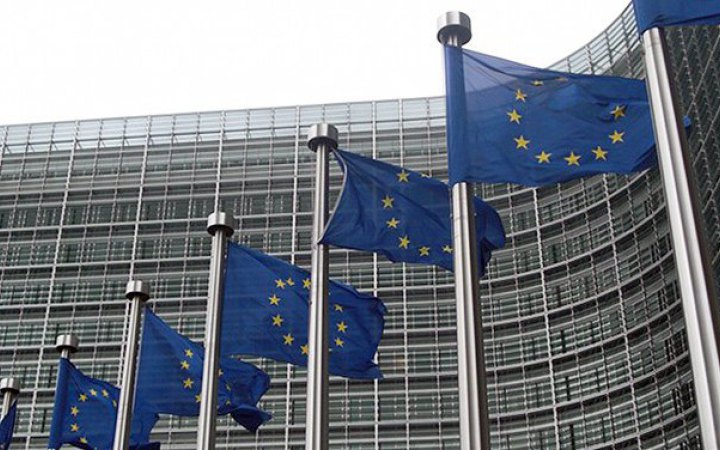
The European Commission and the Belgian government will hold a working meeting on Friday, November 7, to try to reach an agreement on the use of frozen Russian assets. This is reported by Politico.
The new meeting will take place after deputy finance ministers failed to make progress on the so-called “reparation loan” on November 4. The European Commission has already warned that time is running out for a decision.
“The longer we delay, the harder it will be to find a solution. This could cast doubt on the interim options that still remain, ”, — stressed European Commissioner for the Economy Valdis Dombrovskis.
If the funds do not arrive by spring, Ukraine could face a serious budget deficit in 2026. The European Commission warns that without an agreement on the use of Russian assets, EU countries will have to finance aid to Kyiv from their own funds — and after the pandemic, which has significantly hit state budgets, the willingness of most governments to do so is minimal.
The European Commission intends to present Belgium with a memorandum with possible alternatives to financing Ukraine, in particular by raising funds through loans at the EU level. It is expected that the Belgian government, given its own financial constraints, will eventually agree to a compromise, recognizing the absence of other realistic options.
As a reminder, on October 9, the European Commission proposed to provide Ukraine with a loan from frozen Russian assets, most of which are stored in the Belgian depository Euroclear. Belgium currently remains the main opponent of the “reparation loan” initiative for Ukraine.
Brussels demands guarantees from other EU countries that they will quickly compensate for the necessary funds if the assets are subsequently returned to Russian control. In addition, the Belgian side insists that in the event of legal claims by the Russian Federation, the costs of legal defense should be distributed among EU countries, and the European Commission should provide a reliable legal basis for the implementation of the initiative.