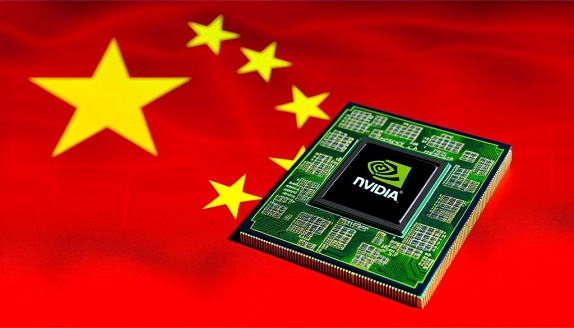
The Chinese market regulator has announced that a preliminary investigation has revealed a violation of China’s antimonopoly legislation by one of the world’s leading manufacturers of microchips, the American company Nvidia. reports Reuters.
China’s State Administration for Market Regulation did not provide evidence to support the violation by the American company, known for its chips for artificial intelligence and gaming devices, and did not specify the possible penalty that could be applied to Nvidia.
According to the antimonopoly legislation of the People’s Republic of China, companies can be fined from 1% to 10% of the annual sales volume for the previous year. According to Nvidia’s latest financial report, the company will earn $17 billion in China in 2024, accounting for 13% of its total annual revenue. It is also not known whether other measures will be introduced, including restrictions on the use of technologies in chips that the Chinese authorities consider harmful.
Analysts believe that Beijing’s announcement of an investigation into Nvidia just now, during trade talks between the US and China in Madrid, is aimed at strengthening the position of the Chinese side and getting concessions from Washington on the supply of advanced American AI chips to China. China’s access to high-tech artificial intelligence chips is one of the hot topics in the confrontation between the United States and China for technological leadership.
Nvidia, a key global maker of AI chips whose profits have soared amid the artificial intelligence boom, has found itself at the center of this confrontation, as US President Donald Trump’s administration has imposed a series of tough restrictions on the company’s sales of advanced Chinese processors.
At the same time, the Chinese authorities are trying to abandon the use of American microchips as quickly as possible. It is demanding that its top companies, including Tencent and ByteDance, explain why they continue to buy the Nvidia H20 chip, which Beijing estimates may contain hidden information security threats and affect the data and privacy of Chinese users.