Energy threats of the Prime Minister of Slovakia: an expert explains the myths and real risks for Ukraine

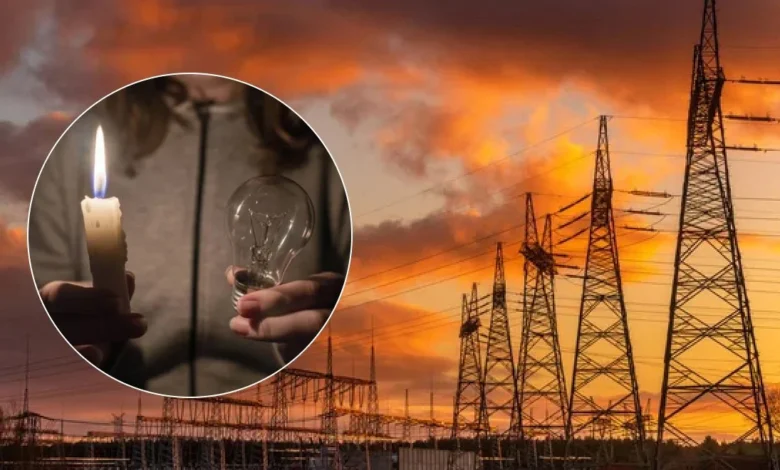
The statement by Slovak Prime Minister Robert Fico about a possible interruption of electricity supplies to Ukraine instantly sparked discussion in the media and among experts. Political commentary and loud headlines in the media created the impression that Ukraine was under threat of an “energy switch.” However, according to the words of housing and communal services and tariffs expert Oleg Popenko, the Slovak government does not have the technical ability to unilaterally disconnect Ukrainian networks, and Slovakia’s share in the total volume of electricity imports for Ukraine is minimal.
Myth #1: The Prime Minister of Slovakia can “disconnect” Ukraine
The opinion of many that the Prime Minister of Slovakia is able to unilaterally “disconnect” Ukraine is a myth and the main manipulation, explains Popenko. Electricity is transmitted between European countries not according to political orders, but according to the rules of the unified energy system ENTSO-E. After synchronization in 2022, Ukraine became a full-fledged part of a single technical space. NPC Ukrenergo operates in a single system together with the Slovak operator SEPS, and the Slovak government does not have the ability to manage physical flows.
The expert emphasizes that the transmission system operator complies with European network codes, ensures frequency stability and implements confirmed commercial contracts. Any unilateral shutdown would violate European Union law, destroy the electricity market and threaten the stability of the entire network, which, according to Popenko, is in fact energy sabotage within the European Union.
Myth #2: Ukraine is critically dependent on Slovakia
According to the expert, another common myth is that Ukraine is largely dependent on Slovak electricity. In fact, Ukraine’s maximum technical import from the EU is approximately 2.4 gigawatts, while winter consumption reaches about 18 gigawatts. The share of the Slovak direction is only a few percent, and imports cover less than fifteen percent of needs even in times of crisis.
Popenko adds that even in a hypothetical scenario of a complete stoppage of flows from Slovakia, Ukraine can rely on other directions: Poland, Hungary, Romania, domestic generation and emergency balancing assistance from ENTSO-E. Therefore, it is not about a “blackout”, but at most about an increase in the price of imported electricity.
Myth #3: a transit country can block purchased electricity
Another common myth is that transit countries can physically block electricity that Ukraine has purchased on the European market. The expert explains that Ukraine buys electricity from traders, not from states, and it physically moves through the European network regardless of the political decisions of an individual prime minister. Transit countries are obliged to ensure the flow in accordance with market capacity auctions, otherwise the model of the EU’s single energy market would collapse.
Popenko notes that Fico’s threats do not directly concern electricity, but are related to the issues of Russian oil transit, Slovakia’s domestic politics, demonstrating a “tough stance” before voters, and bargaining with Brussels. Using energy as a political tool creates the impression of a threat that does not correspond to technical reality.
The expert emphasizes that after synchronization with ENTSO-E in 2022, Ukraine ceased to be an energy hostage to individual neighbors. Today, there is no single supplier, one cable or “off button”, and the network operates according to market rules. At the same time, Ukraine’s critical dependence today is not focused on Slovakia, but on the deficit of its own shunting generation, destroyed thermal power plants, slow restoration of the energy sector and a tariff policy that does not stimulate investment. Without restoring its own generation, Ukraine will be forced to adapt to the conditions of the European market, since in energy the weak always pays more.