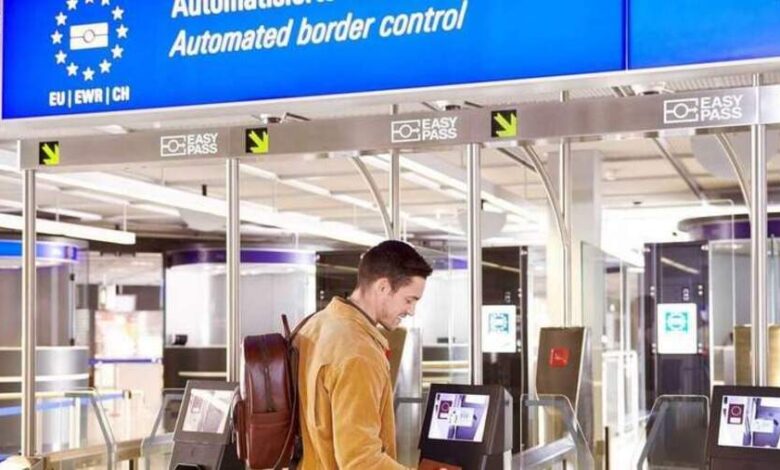
In today’s world, globalization and the rapid development of technologies change not only the methods of communication and movement, but also approaches to security. The European Union, facing new challenges in the field of border management and migration flows, is taking an important step towards the implementation of innovative solutions. One of these solutions is the Entry/Exit System (EES), which will soon change the process of crossing the external borders of the EU. What Ukrainian refugees need to know.
Implementation of EES
European Commission reported on plans to speed up the implementation of the new Entry/Exit System (EES), which will provide digital border crossing control for citizens of third countries. According to the statement, EU countries should implement this system within six months after its approval.
This initiative is key to the European Union’s strategy to improve security, fight crime and make travel easier for millions of people. In a world where the flows of migrants, refugees and business travelers are increasing every year, automation and digitalization are not just the need of the hour, but a necessity.
The Entry/Exit System (EES) is a modern IT platform that automates the entry and exit registration of third-country nationals crossing the borders of the Schengen area for a short-term stay. Its main task is to create an effective, transparent and safe mechanism that allows monitoring of each border crossing, while protecting the rights of citizens and ensuring the confidentiality of their data.
EES significantly simplifies control procedures, replacing stamping of passports with automated recording of information. Among the data that the system collects are passport details, biometric data (fingerprints and photo) and date of entry/exit.
The main advantages of the system
- Acceleration of procedures at the border. Thanks to the automation of processes, the time of passing border control will be reduced, which is especially important for millions of tourists and business travelers.
- Increased security. The system makes it possible to more effectively fight against forgery of documents and prevent illegal migration. It also provides better detection of overstayers.
- Strengthening cooperation between EU member states. The EES creates a single database accessible to border services of all member countries, facilitating information exchange and coordination.
- Combating organized crime. New technologies will help identify and detain persons who are internationally wanted or involved in criminal activities.
How the system will work
When crossing the border for the first time, third-country nationals will undergo registration, which includes fingerprint scanning and photography. All this data will be stored in a secure digital database, to which border guards of EU countries will have access.
For subsequent border crossings, this information will be automatically checked by the system, which will significantly speed up the procedure. In addition, transport companies will be able to use this data to pre-screen passengers, ensuring compliance with border crossing rules.
Next steps towards implementation
The proposal for the implementation of the EES is already under consideration by the European Parliament and the Council of the EU. It is expected that the full implementation of the system will begin in the near future. In addition, in 2025 it is planned to launch the additional system ETIAS (European Travel Authorization System), which will be an important addition to the EES. It will apply to third-country nationals who do not need a visa to enter the EU, and will involve prior electronic authorization.
Why is it relevant now?
The introduction of the EES is a response to modern security challenges caused by increased migration flows and the threat of terrorism. Improving border control will allow EU countries to manage external borders more effectively, while maintaining openness and accessibility for those who cross them, including Ukrainian refugees.
EES is not only a technical innovation, but a strategic tool to ensure a balance between freedom of movement and the need for security. In a world where borders are becoming increasingly permeable, this step by the EU is logical and necessary to protect its citizens and ensure stability.