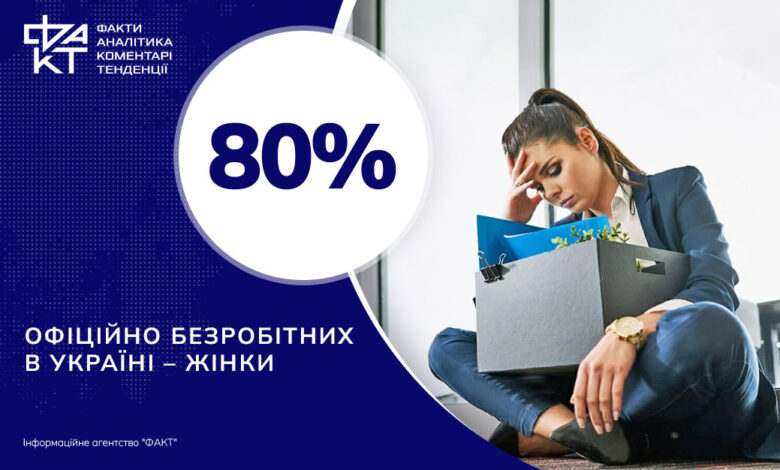
The full-scale Russian invasion of 2022 has affected all aspects of life in Ukraine. The economy has shrunk, the labor market has undergone major changes, and social gains of recent years, particularly in the area of gender equality, have been jeopardized. The Rapid Damage and Needs Assessment (RDNA5) shows that the gender pay gap, which had been systematically narrowing until 2022, has started to widen again. As the government reports, currently more than 80% of registered unemployed people are women.
This number reflects not only the consequences of the war, but also the accumulated structural problems of the labor market, which have been exacerbated by the crisis.
The “Of course you can!” campaign implements the goals of the Employment Strategy of Ukraine until 2030, where the involvement of women in the labor market is identified as a priority of state policy. Among the main barriers to their employment are occupational segregation, forced displacement, a significant increase in the volume of unpaid care work, limited access to flexible work formats, vocational training and childcare infrastructure. All these factors hinder not only employment, but also career development, professional development and financial independence of women.
In addition, the problem of unemployment also extends to young people. Among Ukrainians aged 15–29, one in five does not study, does not work or does not undergo any vocational training. About 70% of this group are young women.
This means that the country risks losing the potential of an entire generation. Young people who are not involved in education or work lose skills, professional contacts and experience, which subsequently affects the productivity and competitiveness of the economy.
During the war, the volume of care work increased, while opportunities for formal employment were significantly reduced. Women are forced to balance between caring for children or relatives, forced displacement and trying to find work that matches their qualifications. Without systemic support, this becomes a vicious circle: through part-time or flexible employment, women are often left with unequal pay conditions and limited career prospects.
Job losses and rising unemployment among women can lead to long-term consequences: deepening social inequality, reducing household incomes and limiting access to education and professional development for children.
These figures demonstrate that the recovery of the Ukrainian labor market and economy is impossible without attention to the problems of women and youth. Providing opportunities to work, improve skills, and receive support in the care sector is not just a social task, but a critical factor for stabilizing the economy and providing for the future generation.