In the US, fat from deceased donors has begun to be used to enlarge lips, breasts and buttocks

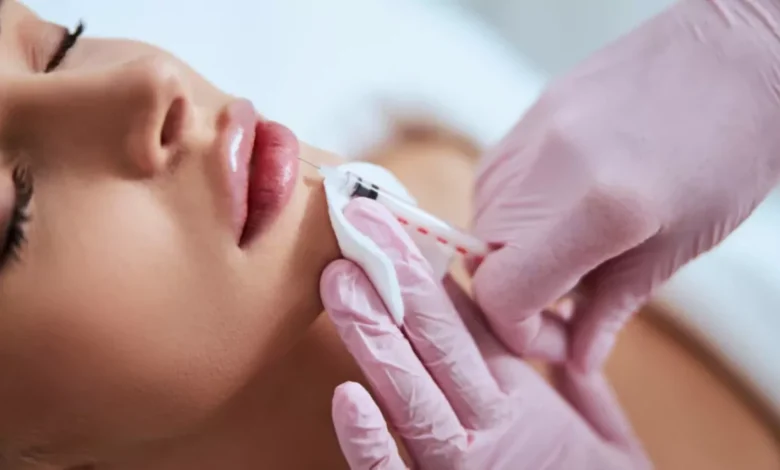
In the US, plastic surgeons have begun injecting fat taken from the bodies of deceased people into the lips, breasts and buttocks. The procedure is becoming increasingly popular among both women and men. This is reported by The Guardian.
As surgeons at the Alpha Male Plastic Surgery clinic in New York said, this fat is purified to such a level that the body does not perceive it as foreign. Fat from the bodies of the deceased is sterilized, packaged in syringes and sold under the name “Alloclae”.
Previously, plastic surgeons used autologous fat grafting for such procedures – it was taken from one part of the patient’s body, usually through liposuction, and then injected into areas that needed additional volume. In women, these were the lips, breasts and buttocks. In men, it was the pectoral muscles, biceps and calves.
Alloclae is used by plastic surgeons for patients who do not want to remove fat from their own bodies or do not have enough of it in their bodies. Such people can receive injections from “donor sources” – the bodies of deceased people.
“This is a real revolution. Patients do not need surgery, they do not need general anesthesia. They do not need to recover, and they do not feel pain from all this,” emphasized Alpha Male surgeon, Dr. Douglas Steinbrech.
According to him, since the beginning of 2025, Alloclae has attracted the most interest from women who want to enlarge their breasts or buttocks, but men are also increasingly paying attention to such procedures.
Douglas Steinbrech explains this by the new inflated standards of male appearance imposed by the heroes of blockbuster Marvel Comics, as well as by the current Internet trend looksmaxxing. This is a radical idea of ”optimizing” appearance, which is called a form of male body dysmorphia, that is, not perceiving one’s body as normal.
Alloclae manufacturers claim that fat is purified to such a level that the human immune system does not perceive it as foreign and does not reject it. According to them, the drug is quite universal, because it can be injected into any part of the body where there is natural fat.
Fat from deceased donors comes through tissue banks. Standard forms of donation do not give the deceased any specific rights regarding how and where their eyes, organs or even subcutaneous fat can be used. At the same time, long-term studies of this drug are lacking. Doctors warn that its use, especially in the breast, can complicate cancer diagnosis.