Ukrainian refugees

“In your skin”: the war through the eyes of Ukrainian students in the Netherlands

In recent months, publications about the war in Ukraine have gradually disappeared from the news agenda in the world media. They give way to other conflicts and social cataclysms, moods known as Ukraine fatigue appear. At the same time, the need for the support of the West only grows, the weight of fateful decisions that we expect from the leaders of Western countries only increases. Therefore, we must use all available resources in order not to lose the attention of the international community to what is happening in our country.

And this is facilitated by ambassadors – people’s diplomats who articulate Ukrainian interests abroad. In fact, any of our fellow citizens who left the country in search of asylum with the beginning of a full-scale invasion can be an ambassador. According to Eurostat, 4.5 million Ukrainians currently live in European countries.

Their most active segment is the youth, who promote our national interests in Europe in every possible way. It is gratifying when students studying at Ukrainian universities and living abroad dedicate their diploma theses to the support of our country.
"In your skin": the war through the eyes of Ukrainian students in the Netherlands
Photo/IA “FACT”/Anastasia Savchenko

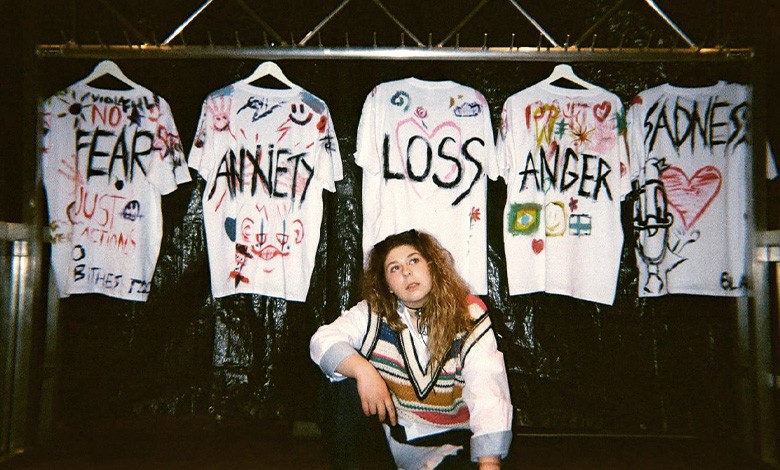
One of such successful projects was developed by Anastasia Savchenko, a student of the T. Shevchenko Institute of Journalism of KNU. The girl now lives in the Netherlands. Together with her friends, she founded the startup Blank Media to establish international relations, introduce local youth to the issues of war, and show the relevance of this topic from her own experience. The project of Ukrainian students involves holding interactive art exhibitions with thematic installations. Each of the exhibitions will be devoted to a separate social problem.

See also  Organizations providing psychological assistance to Ukrainians in Slovakia

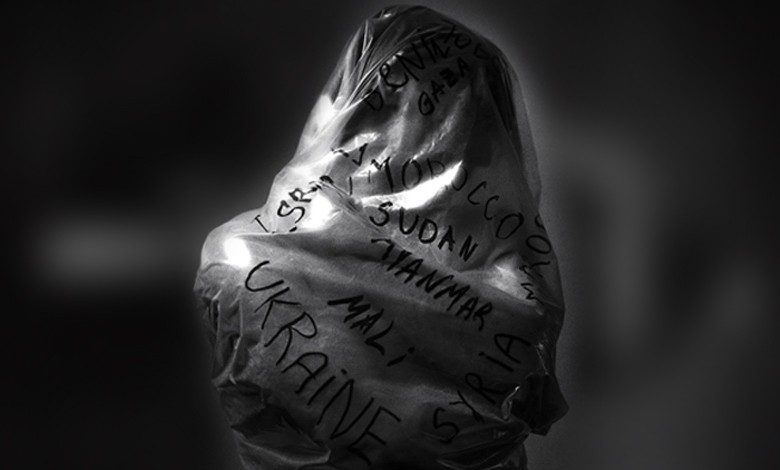
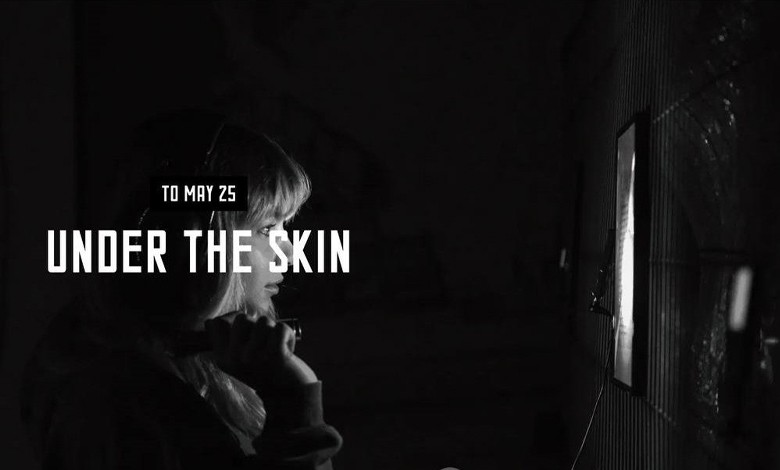
The debut exhibition was the exposition called “Under the Skin”, i.e. “In your skin”. The exhibition showed the consequences of the war, namely the specific situations and stories that people face in wartime. The developers of the startup set themselves the goal of attracting an international audience of the city of Leeuwarden in the Netherlands to increase the level of empathy and awareness of the problem of war in general. They sought to show people what entire nations were going through in such difficult times to promote understanding and help for countries in active hostilities.
"In your skin": the war through the eyes of Ukrainian students in the Netherlands
Photo/IA “FACT”/Anastasia Savchenko

The students plan to send money from ticket sales to Ukraine and Gaza as financial aid.

Nastya took over the marketing and communication parts of the project. The girl is studying advertising and PR, so the topics of promotion and communication support for events are familiar and understandable to her. Next week, Nastya defends a qualifying paper dedicated to Blank Media. We asked the bachelor’s graduate about her future professional plans and about the fate of the startup:

– Nastya, what does she look like to you?

– It is difficult for me to answer about the future path of the startup, because the war taught me that the future is incredibly unpredictable. However, I can assure you that I do not plan to stop and want to continue to show how talented, strong and humane Ukrainians are. The whole world should see our big heart.

The first Blank Media exhibition has already ended. However, there are many new interesting exhibitions ahead.

See also  With the proliferation of the internet and digital platforms, teenagers' lives are increasingly centred around social media. TikTok, Instagram, YouTube and other platforms are becoming a place to socialise, express themselves and get information. However, these platforms also carry risks associated with uncontrolled access to content that can be harmful, dangerous or even tragic. The recent TikTok scandals in Europe are a reminder that parents should pay special attention to their children's online lives. This issue is especially relevant for Ukraine, where teenagers are also actively using social networks, and the issue of content control is still underdeveloped. Scandal in France: a lawsuit against TikTok In France, seven families filed a class action lawsuit against TikTok after dangerous content in the social network led to tragic consequences. About it writes Reuters. Two 15-year-olds committed suicide, according to the lawyer, after watching videos promoting suicide and other dangerous behavioural patterns. This is the first such case in Europe, with the platform accused of contributing to the tragic events by failing to properly monitor content that reaches underage users. The families' lawyer, Laure Boutron-Marmion, insists that TikTok, as a commercial company providing its product to minors, should be held responsible for the harmful effects of its product. TikTok has not yet commented on the lawsuit, but the company has previously assured its responsibility for the mental health of young users and introduced certain measures to protect them. This situation raises the question of how social media should protect young people from dangerous content. It is also a challenge for parents around the world, including Ukraine, where access to content is less controlled and teenagers may face similar risks. How Ukrainian parents can protect their children The problem of harmful content on social media is a global one, and it can only be avoided if parents are actively involved in the parenting process and use technology to keep children safe. Here are some tips that can help parents keep their children safe from the negative influence of social networks. Regular conversations about internet safety It's important to discuss internet safety with your children and explain that not all content is helpful or safe. Explain why they should be careful and avoid suspicious or dangerous content. Explaining risks and teaching critical thinking Children need to understand that information on the internet can be distorted or manipulative. Teach them to think critically, recognise the signs of false information and avoid content that may cause anxiety or stress. Set limits on time of use Research shows that excessive time on social media leads to stress and depression. Agree with your children to limit the amount of time they can spend online. This will help reduce their addiction and keep them mentally healthy. Set up privacy settings and parental controls Use the privacy features on social networks that allow you to restrict access to content that is inaccessible to children. It's also worth utilising parental control features to monitor your child's activity and block potentially harmful content. Developing trusting relationships Trust between parents and children is the foundation of safe social media use. Let children know that they can share their thoughts and concerns with you, and that you are always there to help. Keep up with news about social media Pay attention to scandals or problems that arise with social media, such as the situation in France. Such cases allow parents to learn about new dangers and react in time. Mental health support Talk to your children about their feelings and experiences and help them cope with emotional stress. If you suspect that a child is being influenced by harmful content, don't hesitate to contact a professional. TikTok, like many other social networks, should ensure the safety of underage users. The problem of dangerous content on social networks is now going global, and companies that provide platforms for teens must step up measures to filter harmful videos and material. Incidents like the French one emphasise the importance of paying attention to children's online lives and demonstrate that parents can and should play a key role in keeping their children safe. Social media can be a useful tool, but only if teenagers are aware and protected. Dialogue with children, setting rules and controlling access to content is the basis for preserving their mental health and emotional stability in the digital world.


Leave a Reply

Your email address will not be published. Required fields are marked *

Related Articles

Back to top button