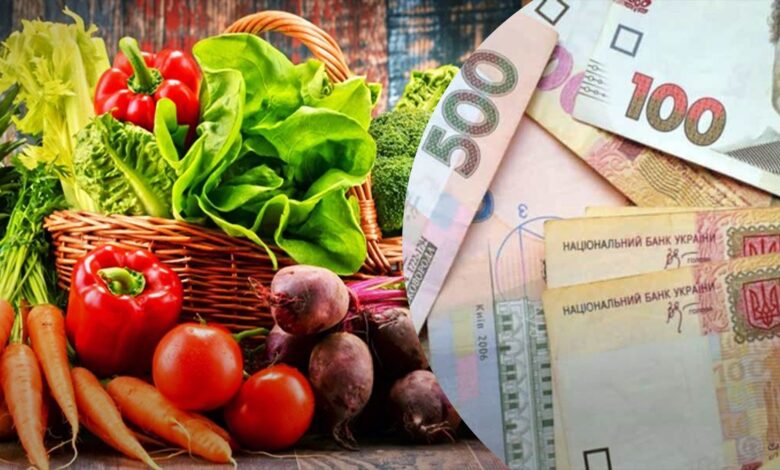
The rise in prices of basic food products is slowing down in Ukraine, reports the NBU. According to the National Bank, the slowdown in price growth is due to the stabilization of the cost of milk and meat, the fall in the price of wheat, and changes in external markets. A favorable harvest has also reduced inflationary pressure, and in the coming months, according to the NBU forecasts, the trend towards a decrease in prices will continue, albeit at a slower pace.
The annual rise in prices of raw food products has now slowed to 9.6%. The prices of vegetables, in particular borscht products, have fallen the most due to difficulties in storing large harvests. Fruit prices are also growing more slowly, although the dynamics vary depending on the variety.
According to the NBU, the decrease in the cost of flour is associated with a larger harvest of food wheat, and dairy products – with weak domestic demand and cheaper prices on world markets. The growth in pork prices has stopped due to increased supply from the EU, and chicken is becoming more expensive more slowly against the background of lower prices abroad.
Core inflation in November 2025 was 9.3% and continues to decline. The increase in the price of processed foods slowed to 14% year-on-year, with some dairy products, such as cheese and butter, growing less.
The increase in the cost of non-food goods also slowed to 0.8%. Clothing and footwear became cheaper, while other categories of goods grew more slowly. Services inflation fell to 13.4%, which is explained by the weakening of pressure on the labor market and the slowdown in real wage growth. This is why insurance and financial services, housing rentals, apartment building management, as well as cafes, fast food restaurants, and medical clinics are becoming more expensive at a slower rate.
As for administratively regulated prices, their growth slowed down slightly to 10.4% per annum, mainly due to slower increases in the price of bread, medicines, and alcoholic beverages. Prices for tobacco products remained almost unchanged. However, fuel inflation accelerated to 5.3% due to the increase in the cost of diesel fuel, which is due to rising world prices and logistical difficulties.