A draft of the new Customs Code, which should bring Ukrainian customs legislation closer to European Union standards, has been submitted to the government for approval. The document was finalized taking into account the comments of the European Commission and proposals from the business community. This was reported by the State Customs Service.
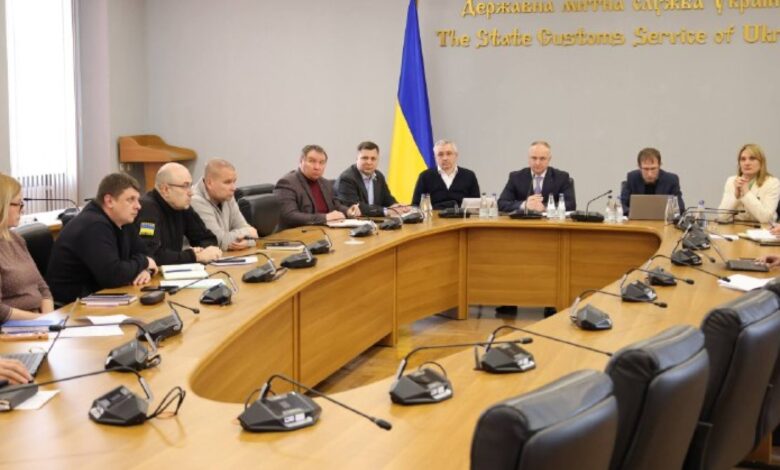
This decision was made by the Steering Committee for the Preparation of the New Customs Code with the participation of representatives of the Ministry of Finance, the State Customs Service of Ukraine, the European Commission (DG TAXUD), the EU Delegation to Ukraine, and international experts. Now the procedure for approving the draft by the Cabinet of Ministers has begun, after which the document must be submitted to the Verkhovna Rada.
As noted by the Head of the State Customs Service, Orest Mandzii, the new code combines the provisions of EU customs legislation with national approaches, in particular in the field of combating smuggling and violations of customs rules. According to him, this should become the basis for Ukraine’s entry into the single European customs space.
Large-scale consultations with business were held during the preparation of the document: 15 associations held more than 60 working group meetings. In addition, European experts in customs law were involved in assessing the draft’s compliance with EU requirements. The Verkhovna Rada is expected to consider the document in two readings by September 1, 2026, and the new Customs Code should come into force on December 1, 2027.
At the same time, the preparation of amendments to the Tax Code and by-laws required to implement the new model of customs regulation will begin.
The new Customs Code is one of the key stages in harmonizing Ukrainian customs legislation with EU norms. The pace of Ukraine’s integration into the European economic and customs space will depend on its implementation.
For businesses, the new version of the Customs Code should mean simplification of procedures thanks to electronic declarations and the status of authorized economic operators. This should reduce customs transaction costs, speed up customs procedures and stimulate exports and imports, as well as allow entrepreneurs to operate under EU rules and enjoy the same benefits as European businesses.
At the same time, the proposed changes will require broader customs reforms and may create obstacles for small businesses due to the requirements for obtaining the status of authorized economic operators.