The European Parliament stated that Russia has involved thousands of mercenaries from Africa in the war against Ukraine

On March 12, the European Parliament adopted a resolution on human trafficking and gross human rights violations related to the recruitment of foreigners, including citizens of African countries, to participate in Russia’s war against Ukraine. The document was supported by 479 deputies out of 539 present, 17 opposed, and 43 abstained.
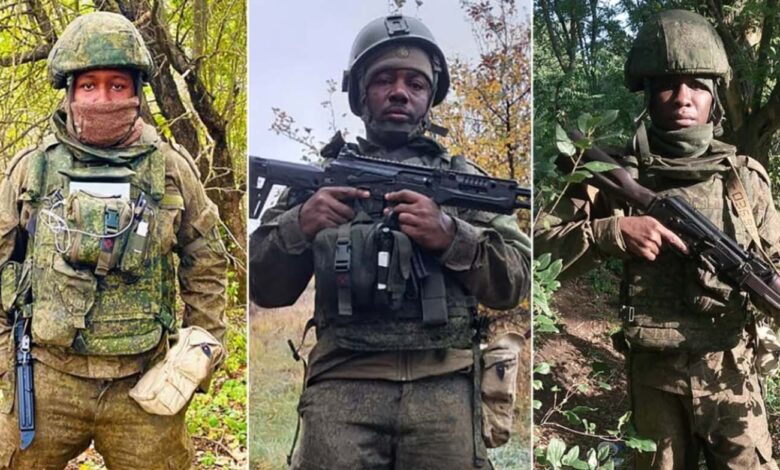
The resolution emphasizes that Russia is using deception and coercion to recruit thousands of foreign citizens from Africa, as well as Cuba, South and Central Asia, into the war. The document states:
“Russia is using deceptive tactics and coercion to recruit thousands of foreign nationals from various African states, as well as individuals from Cuba, South and Central Asia, to support its brutal, unprovoked, unjustified, illegal war of aggression against Ukraine.”
Members of the European Parliament drew attention to reports from certain African states about the activities of recruitment networks that specifically seek out people from poor areas. To do this, according to their data, they use social networks, where they spread false promises of work, education, or even Russian citizenship.
The resolution emphasizes that upon arrival in Russia, such people often have their documents taken away and then forced into service through pressure and threats. The text states:
“Recruited individuals are encouraged to travel to Russia, deprived of their identity documents, and forcibly mobilized under pressure or threats.”
As an example, the authors of the document cited the story of Kenyan citizen Francis Ndungu Ndarua, who, according to them, was fraudulently recruited and sent to eastern Ukraine. The resolution also states that Russia recruits citizens of African countries through state-linked companies, intermediaries, military structures and embassy employees.
Separately, MEPs stressed that recruited Africans are often sent to the most dangerous areas of the front, treated as an expendable resource and subjected to racial violence and discrimination. The document also states that hundreds of African women were deceived into working at Russian drone assembly plants, where they were in dangerous and exploitative conditions.
The European Parliament strongly condemned human trafficking, forced recruitment of foreigners into military service in Russia and war-related labor exploitation. Separately, the deputies called on Russia to inform the family of Francis Ndungu Ndarua about his whereabouts and condition, and to return him to Kenya.