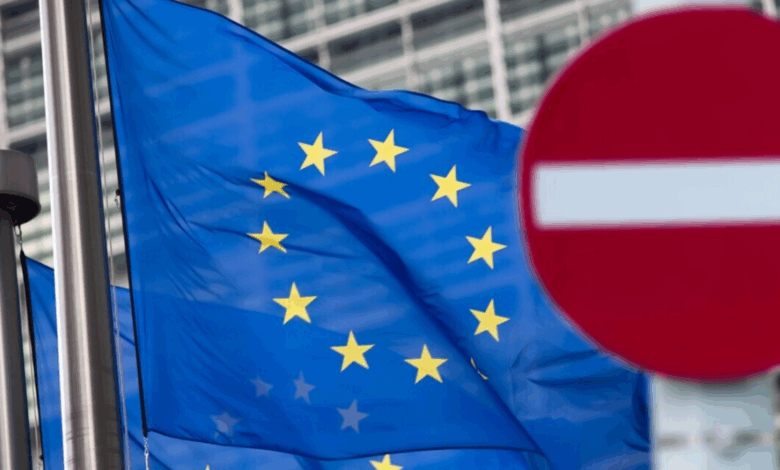
On February 20, European Union ambassadors failed to reach an agreement on the 20th package of sanctions against Russia. The next meeting is scheduled for February 25. However, a meeting of EU foreign ministers will be held on February 23, during which the issue will be brought up again.
“The sanctions are working. They are seriously damaging the Russian economy, and each new measure further limits its ability to wage war. Moscow is not invincible, its army is suffering record losses, and the economy is under great pressure. But Putin will not stop this war until the costs exceed the benefits. And that is what we must achieve,” said EU High Representative Kaia Kallas.
On February 6, the European Commission presented a proposal for the 20th package of sanctions against Russia, which concerns the energy sector, the banking system and trade. The new restrictions are intended to further reduce Russia’s oil revenues and make it harder to circumvent sanctions through a shadow fleet and cryptocurrencies.
In the energy sector, a complete ban on maritime services for transporting Russian crude oil is being proposed. This is expected to reduce Russia’s energy revenues and make it more difficult to find buyers. The ban is planned to be implemented jointly with partners after the relevant decision of the G7.
In addition, the EU is expanding restrictions against the shadow fleet: another 43 vessels are to be added to the sanctions list, and the total number of ships under sanctions will increase to 640. Separately, a complete ban on maintenance and other services for LNG tankers and icebreakers is envisaged, which should hit Russian gas export projects and supplement the current restrictions on the import of liquefied gas.
The second area of restrictions concerns the Russian financial system. It is planned to include another 20 regional banks in the sanctions list, as well as restrict the use of cryptocurrencies, platforms and companies that facilitate the circumvention of sanctions. Third-country banks that facilitate trade in sanctioned goods may also be subject to restrictions.