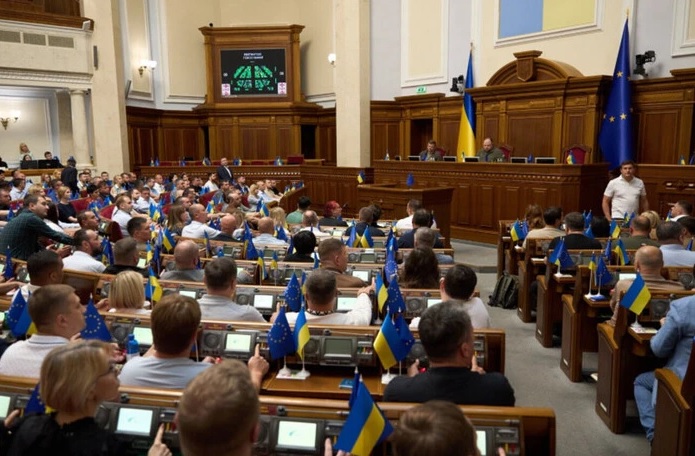
The Verkhovna Rada of Ukraine adopted in the first reading the draft law on credit history (register #14013). The document is aimed at strengthening the protection of borrowers’ rights, improving the exchange of information on the credit market and improving its quality. Its purpose is to encourage responsible lending and ensure the use of credit history exclusively for creditworthiness assessment, credit risk management, as well as customer identification and verification.
The draft law defines the legal, financial and organizational principles of keeping credit histories, in particular the collection, processing, storage, protection and use of data on the fulfillment of financial obligations by individuals. It also regulates the activities of institutions that work with such information and establishes the legal basis for state supervision of their work.
The document specifies the list of information that is included in the credit history, the terms of their storage (up to 10 years) and the mechanisms of destruction after the end of this term. At the same time, creditors are obliged to transfer data to credit bureaus within two working days, which will reduce the risks of fraud and prevent delays.
Among the key innovations is the “stop credit” mechanism. Every citizen will be able to declare his unwillingness to enter into new credit agreements, and any loan issued after such a declaration will be considered null and void. This will significantly strengthen protection against fraudulent schemes and unwanted credit pressure.
The draft law also guarantees citizens the right to free access to their own credit history and the ability to correct or delete inaccurate information. Control over the activities of the credit history bureau is entrusted to the National Bank of Ukraine, which will carry out supervision, inspections and certification of security systems. In addition, the possibility of cross-border data exchange is provided, subject to the consent of the borrower.