This year’s Olympics were the first in 28 years without high-profile doping revelations

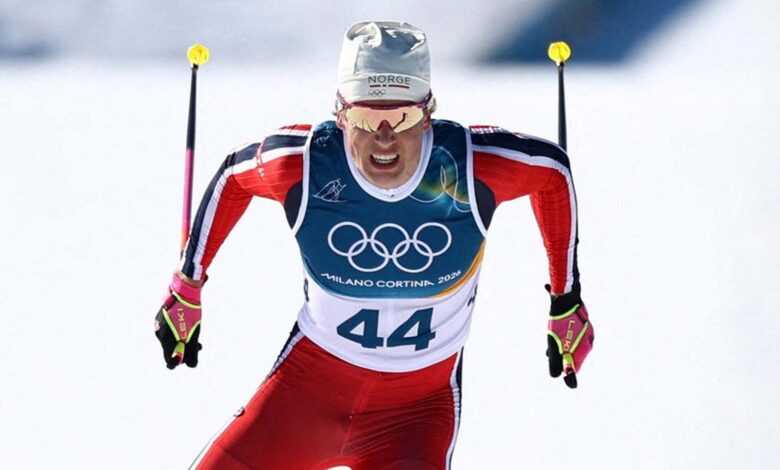
The 2026 Winter Olympics, held in Milan and Cortina d’Ampezzo, Italy, have been officially recognized as the “cleanest” of doping in the last 28 years. According to the results of large-scale testing, not a single athlete tested positive for banned substances during the competition.
This is a unique case in the history of the modern Olympic movement, the like of which has not been recorded since the 1998 Games in Japan.
During the period of the Olympics, anti-doping control specialists collected more than 3,000 samples from almost 2,000 athletes. The complete absence of positive tests indicates the high effectiveness of preventive measures and the conscientiousness of national Olympic committees. However, experts warn that the data obtained only reflect the situation at the time of the end of the tournament.
“This is the first Olympics since the 1998 Games in Japan where athletes were not caught doping, which is a significant achievement for the entire sports world,” international observers emphasized.
To ensure transparency and fairness, all collected samples will be stored for ten years. This will allow for retrospective checks using new, more advanced analysis methods in the future. This approach has already proven its effectiveness at the 2012 London Olympics, when 31 medals were withdrawn and 46 more were redistributed following retests.
“We remember the experience of past years, in particular the state doping program in Russia from 2011 to 2015, so retrospective analysis remains an important control tool,” analysts emphasized.
One of the key reasons for the success of the current campaign is the significant increase in checks on the eve of the start of major competitions. A strict filter during the preparation phase allowed us to weed out violators in advance. For example, Italian biathlete Rebecca Passler was forced to miss the home Games due to a positive test. Such steps contributed to the fact that only those athletes whose training met the world standards of clean sport arrived in Milan and Cortina d’Ampezzo.
Despite the fact that the International Association of Athletics Federations previously lifted all doping sanctions against Russia, the world sports community continues to closely monitor compliance with the rules. The 2026 Olympics demonstrated that a combination of systematic control and high responsibility of athletes can restore confidence in Olympic results.