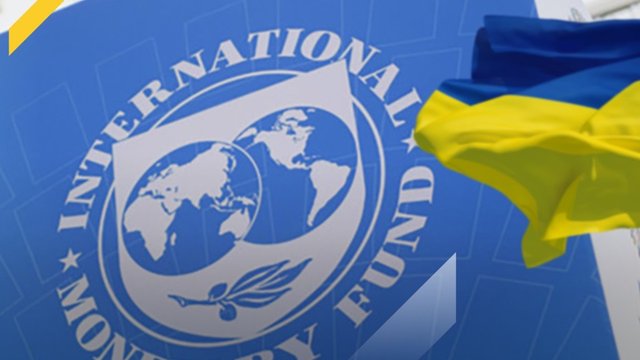
Ukraine has decided to eliminate certain tax preferences in order to secure a new tranche of financing from the International Monetary Fund, reports Bloomberg.
IMF announced about reaching a staff-level agreement on a four-year program worth approximately $8 billion, which was a positive signal to Ukraine’s international partners. The fund’s board of directors is expected to approve the program after Kyiv implements a number of necessary measures in the field of fiscal policy.
According to sources familiar with the terms of the agreement, the requirements for Ukraine include stepping up the fight against tax evasion and broadening the tax base. The list of preliminary measures that Kyiv must implement includes the abolition of several tax breaks for both businesses and households.
According to anonymous informants, the government plans to introduce a value-added tax for self-employed entrepreneurs if their annual declaration shows income of more than 1 million hryvnia (approximately $24,000). According to sources, this loophole has previously been frequently used to reduce tax liabilities, in particular by large Ukrainian companies and restaurant chains.
In addition, Ukraine intends to cancel the benefits that apply to parcels from abroad: now, cargo worth up to 150 euros ($174) is exempt from import duties.
Ukrainian lawmakers must vote and approve a “balanced” The state budget for next year, so that the IMF Board of Directors can give final approval to the program.
The statement from the Ministry of Finance states:
“Strengthening policies that support fiscal, external, price, and financial stability; supporting economic recovery; and strengthening governance and institutional capacity to promote long-term growth as Ukraine moves toward post-war reconstruction and European integration.”
The final fate of the agreement also depends on the European Union’s position on the implementation of the plan to use the frozen assets of the Russian central bank. A decision is expected to be made next month. If it fails, IMF funding could be at risk.