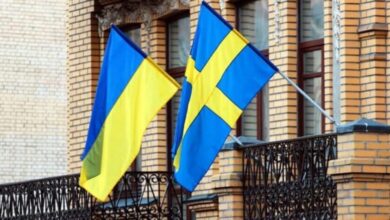
Ukrainian refugees were given the opportunity to apply for compensation for damage caused by Russia

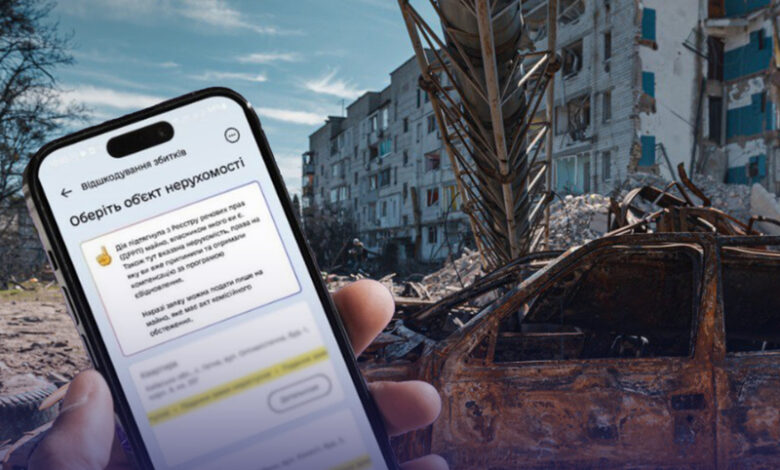
Four years of full-scale war with Russia have left millions of Ukrainians without homes, property, and stable lives, and forced migration has become a mass phenomenon in modern Ukraine. Until now, mechanisms for recording losses and compensation have remained limited, and most victims have had no formal way to recover even part of their losses. From 23 February 2026, Ukrainian refugees have had the chance to document their claims for compensation, thanks to the opening of a new category of applications in the Register of Damages created by the Council of Europe.
Register of Damages: What’s changing for Ukrainian refugees
On 23 February, the Secretary General of the Council of Europe, Alain Berset, announced that Ukrainian citizens who were forced to leave the country due to Russia’s full-scale invasion now have the opportunity to apply for compensation for the damage they suffered. He noted that responsibility for the damage caused and its compensation are key elements of a just and lasting peace, and for the affected citizens of Ukraine, these mechanisms create an opportunity to formalize their claims against the aggressor state.
The Register of Damages was created under the auspices of the Council of Europe on May 17, 2023 to record the losses caused by Russia’s aggression against Ukraine. By December 2025, it already contained more than 110 thousand applications, covering direct losses of property, infrastructure and other resources. However, this data covers only a part of the victims. The opening of a new category of claims provides for compensation for losses related to forced displacement, including loss of housing and property, which will significantly expand the coverage of Ukrainians who can document their losses.
Compensation Mechanism
The Compensation Commission, which began work on December 16, 2025, assesses claims submitted to the Register of Losses and determines the amount of possible compensation. The process involves carefully documenting losses, verifying the compliance of claims, and determining a fair amount of compensation. The question of what funds will be used to fund payments to Ukrainians has not yet been finally resolved, but the EU High Representative for Foreign Affairs Kaia Kallas previously noted that frozen Russian assets and revenues from oil sales could be the source of funds.
The new mechanism allows Ukrainians not only to formally record their losses, but also creates a legal basis for future claims for compensation, which is important for the country’s recovery and a fair resolution of the consequences of aggression.
The importance of the new step for Ukrainians
The opening of a new category of applications in the Register of Losses is of particular importance for those who were forced to leave the country due to the war and were unable to record their losses in full. In particular, this applies to families who have lost their homes or businesses, as well as citizens whose movement to safe areas was accompanied by additional financial and material losses. According to experts, the new mechanism will significantly increase the number of applications and, accordingly, the number of Ukrainians who will be able to receive compensation for their losses.
The Council of Europe emphasizes that the creation of such mechanisms is not only a legal but also a moral responsibility, as they recognize the right of victims to recovery and formalize Russia’s international responsibility for the damage caused.
Although the opening of a new category of applications is an important step, a number of questions remain regarding the practical implementation of compensation. Among them are the exact sources of funding for the fund, mechanisms for controlling the distribution of funds, and ensuring maximum transparency for victims. At the same time, for Ukrainians, this mechanism creates a legal basis for restoring losses and, perhaps, becomes the first large-scale example of a systematic approach to compensation after the war.