UNICEF is concerned about the mass involvement of teenagers in street fighting in Haiti

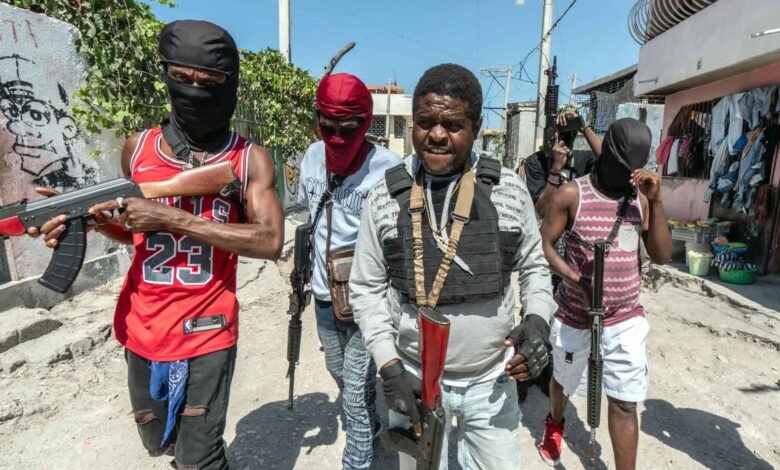
Haiti is witnessing a worrying trend of children being recruited into armed groups. According to UNICEF’s head of mission in the country, Gita Narayan, children make up about 50 percent of the gangs that control much of the country.
It is these groups that the new multinational UN force deployed to stabilize the situation will soon face. According to data from foreign media, including CNN, in the capital Port-au-Prince alone, hundreds of children were officially recruited in 2024, and during 2025 this figure increased by 200 percent.
Most minors are directly involved in hostilities. Armed groups actively use social media, where they display money and the trappings of a luxurious life to lure new members. The most vulnerable are homeless children, for whom gangs become the only source of food and shelter. Often, due to extreme desperation and hunger, parents themselves hand over their children to criminal organizations, hoping for their survival.
“Children make up about fifty percent of the country’s armed groups, which will soon be confronted by the new multinational police and military forces,” Gita Narayan emphasized.
According to the United Nations, adolescents are paid from $100 to $300 for protecting kidnapped persons or collecting intelligence. If a minor takes a direct part in robberies or armed clashes, the reward can reach $700. Horrifying testimonies from former gang members confirm that children are forced to perform the hardest and most brutal work, including burning the bodies of those killed.
“I was eleven years old when the gang offered me food in exchange for joining,” one of the recruited teenagers emphasized in a conversation with journalists.
The situation in Haiti remains critical after the assassination of the country’s president in 2021, which triggered a deep crisis. More than 1.4 million residents have lost their homes, and social infrastructure has been practically destroyed. In early April 2026, the first reinforcements of the international security forces arrived in the country, which included soldiers from Chad.
The total contingent of the mission is expected to number 5,500 people, who, together with local police, will try to regain control of state institutions and ensure the protection of the civilian population.