Bosnia and Herzegovina joins the International Coalition for the Return of Ukrainian Children: from now on, 50 countries will work on this problem

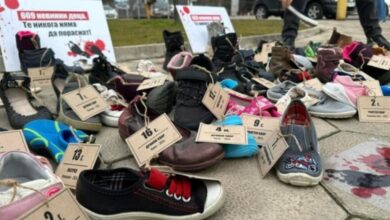
Ukrainian children, whom Russia removes from the occupied territories, separates from their families, relocates to its own regions or transfers to someone else’s care, have become one of the central topics of international responsibility for the war. The return of such children requires diplomatic pressure, legal fixation of crimes, the participation of mediators and constant attention of states that are able to influence the process through international institutions.
Growth of the coalition for the return of Ukrainian children
Bosnia and Herzegovina officially confirmed its intention to join the International Coalition for the return of Ukrainian children. After that, the number of its participants increased to 50 states. The decision was announced by Minister of Foreign Affairs of Ukraine Andriy Sybiga.
He thanked Bosnia and Herzegovina and its Foreign Minister Elmedin Konakovic for their support for Ukrainian children who have been victims of forced displacement, deportation and other actions by Russia against the civilian population.
According to Sibiga, the accession of the new state strengthens international work to return every child who has been illegally removed from Ukraine, and also helps to hold accountable those involved in the deportation, forced adoption and militarization of Ukrainian children in Russia or in temporarily occupied territories.
What children experience after being removed from Ukraine
The problem of deportation of Ukrainian children covers various groups of minors: children from orphanages and boarding schools, orphans, children without parental care, as well as those who were separated from their families during the occupation, filtration procedures, evacuations under the control of Russian structures or after the death or detention of adults.
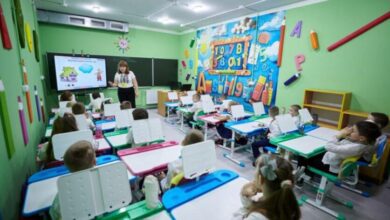
Some children were taken away by the Russians under the pretext of rest, treatment or “evacuation”, after which their return was complicated or blocked. In other cases, children were moved to Russian regions, their documents were changed, Russian citizenship was imposed on them, and they were transferred to foster families or institutions, where they were separated from the Ukrainian educational, linguistic and cultural environment.
For children of war, such deportation means the loss of home, familiar adults, school, friends and a sense of security. The return of each child often turns into a separate, complex operation, where it is necessary to establish their whereabouts, confirm their identity, find relatives or legal representatives, conduct negotiations and organize a safe departure.
International reaction to Russia’s crimes
The world’s reaction to the forced removal of Ukrainian children has gradually moved from the level of political statements to legal decisions and special international mechanisms. The International Criminal Court in March 2023 issued arrest warrants for Putin and the Russian Commissioner for Children’s Rights on suspicion of committing the war crime of unlawful deportation and transfer of Ukrainian children.
The UN Commission of Inquiry into Violations in Ukraine also concluded that the deportation and forcible transfer of Ukrainian children by the Russian authorities may constitute crimes against humanity. International reports record not only the fact of removal, but also the subsequent detention of children in Russian regions, attempts to change their identity, involvement in the Russian environment, and the use of the education system for political influence.
Separate studies by human rights and academic structures have described the network of institutions in Russia and in the occupied territories through which Ukrainian children passed. These materials mentioned camps, boarding schools, educational programs, patriotic education, and elements of military training, which particularly sharpened the attention of the international community to the topic of militarization of minors.
The coalition’s role in the return of children
The international coalition for the return of Ukrainian children should focus the efforts of states on several areas: searching for children, documenting crimes, diplomatic pressure on Russia, involving mediators, and creating conditions for safe return.
It is important for Ukraine that the issue of children remains on the international agenda during negotiations, meetings of leaders, the work of human rights organizations, and international trials. The more states join the coalition, the more difficult it is for Russia to reduce the issue to internal explanations of “evacuation” or “protection,” since the facts of deportation are considered in the context of international law and the rights of the child.
How many children have been returned
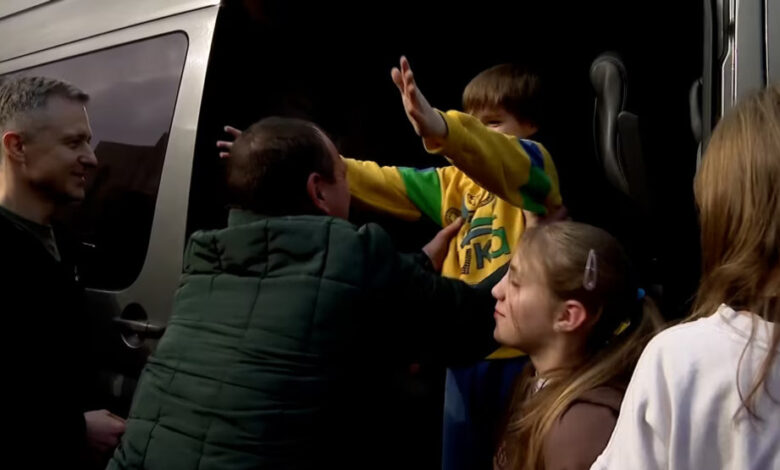
Within the framework of the Bring Kids Back UA initiative, Ukraine has already managed to ensure the return of 2,126 children abducted or forcibly removed by Russia. Each such return requires separate coordination between Ukrainian services, relatives, international partners, and mediators.
Separately, the return of two children who were left without parental care in Kazakhstan was reported. The brother and sister were evacuated from Almaty after a complex multi-stage operation coordinated by Ukrainian services. After their return, they are safe in Ukraine.
The deportation of Ukrainian children has long-term consequences, as it affects not only physical displacement, but also memory, family ties, documents, education and the child’s right to know their own origins. Some children were too young to independently explain where they came from, some lost contact with loved ones, and some are in an environment where Ukrainian identity is presented as hostile or unnecessary.
The expansion of the coalition to 50 states means that the return of children is becoming not an episodic humanitarian topic, but a separate international direction of work. For Ukraine, it is a tool of pressure, for families – a chance to find and return children, and for the children of war themselves – an opportunity to once again find themselves in the country from which they were illegally snatched.