Individual development program for children with special educational needs: validity period and rules for recording documents

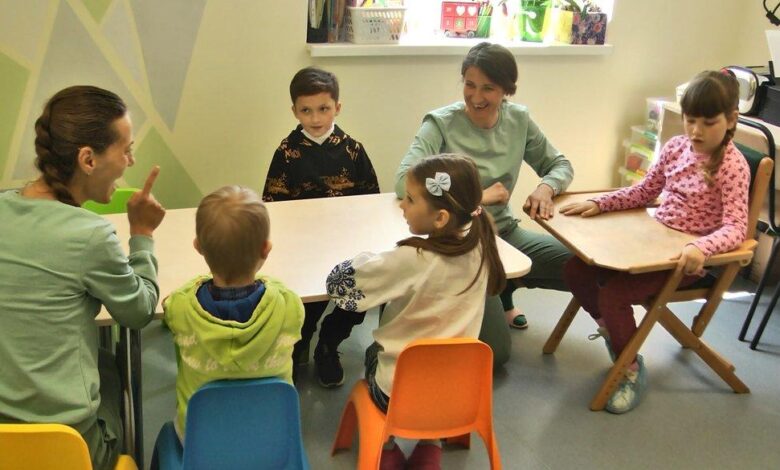
The Individual Development Program (IDP) for children with special educational needs defines specific terms of study, the procedure for signing and storing documents, which ensures systematic support for the child in a preschool educational institution. In conditions of war, when the stability and safety of the educational process become especially important, strict adherence to the terms of the IDP and monitoring its implementation help children receive consistent educational support, maintain their psychological state, and provide proper development support in conditions of increased stress.
IPR Development Procedure and Terms
The Individual Development Program (IDP) for children with special educational needs is a key tool for organizing the educational process in preschool education institutions, which allows taking into account the unique needs of each child and ensuring a systematic approach to their development. This document creates a structure within which the pedagogical team, parents and specialists can coordinate their actions, monitor the results and timely adjust work methods. In the context of wartime, the importance of IPR increases, as children with OOP need special stability, security, and attention to their psychological state.
According to the words of the head of the department of inclusive and special education of the Directorate of Preschool and Inclusive Education of the Ministry of Education and Science, Valentina Novosad, an individual development program is developed by the child support team for one academic year.
The team includes mandatory and additional specialists who are approved by the head of the preschool education institution. Mandatory participants usually include a teacher, psychologist, speech therapist or special education teacher, while additional ones may include a social worker, physiotherapist or other specialists depending on the child’s needs.
The document is signed by all members of the support team and one of the parents, after which it is approved by the head of the institution. The IPR is stored in the institution for at least three years, which makes it possible to track the dynamics of the child’s development over a long period. If necessary, the team can extend the program for the summer period, which allows for continuity of training and support.
Electronic accounting of IPR and implementation features
To systematize and facilitate accounting of IPR, the Ministry of Education and Science provides an electronic system for automating the work of inclusive resource centers (AS IRC). This system is currently undergoing modernization in connection with the change in the form of IPR. The updated functionality will allow individual programs to be uploaded directly to the electronic system, which will facilitate access to documents, their analysis and monitoring.
It is expected that the new functionality will become available from the beginning of the 2026-2027 academic year. Until now, preschool educational institutions are not required to upload IPRs, although the legislation provides for the accounting of such documents. The gradual integration of electronic accounting will ensure greater transparency and control over the implementation of development programs, as well as reduce the administrative burden on teachers.
The Importance of IPRs for Children with Special Educational Needs in Wartime
An individual development program allows for systemic support specifically for children with special educational needs who find themselves in wartime, when their learning and development are often disrupted due to evacuation, change of residence, or stressful circumstances.
Strict adherence to the deadlines for developing, signing, and storing IPRs allows teachers and parents to coordinate actions, track the child’s progress, and timely adjust educational and rehabilitation measures. Thanks to this, the child receives a consistent educational process and proper support, even when external circumstances complicate the usual rhythm of his life and studies.
In general, an individual development program is not only an organizational document, but a practical tool that helps the child receive proper support in the face of modern challenges and at the same time ensures control over the quality of educational services in preschool educational institutions.