“Kharkiv Citizen’s Card” needs funds again: 9.56 million hryvnias will be spent on its update in the frontline city

Ukrainian society always reacts sharply to expenditures from state and local budgets that, during a full-scale war, are not related to the immediate needs of defense, medicine, restoration of critical infrastructure, or assistance to the military. In frontline cities, such purchases are perceived especially sensitively, because alongside the daily consequences of Russian attacks, communities see tenders for digital services, design, application updates, and secondary city projects, while the front needs transportation, drones, communications, shelters, and quick solutions for people’s safety.
The Kharkiv Anti-Corruption Center reported that the Department of Digital Transformation of the Kharkiv City Council announced a purchase to modernize the mobile application “Kharkiv Citizen’s Card”, also called Open Kharkiv. The expected cost of the work is 9.56 million hryvnias. According to the ProZorro system, the auction is scheduled for May 15, 2026, and the contractor has until the end of the year to complete the modernization.
Specialists of the Kharkiv Anti-Corruption Center drew attention to the fact that the costs of the “Kharkiv Citizen’s Cards” software have been ongoing for several years and after the start of the full-scale invasion reached more than 20 million hryvnias, excluding the new tender.
For 9.56 million hryvnias, the city authorities plan to update the main screen of the Open Kharkiv application, add new services and expand the functionality of the digital “Kharkiv Citizen’s Cards”. The terms of reference provide for the integration of a service that will notify about temporary changes in the movement of public transport. They also plan to create an interactive map of repair work and overlaps so that users can see traffic restrictions in the city. In addition, they want to add a section on historical and cultural monuments and introduce multilingualism.
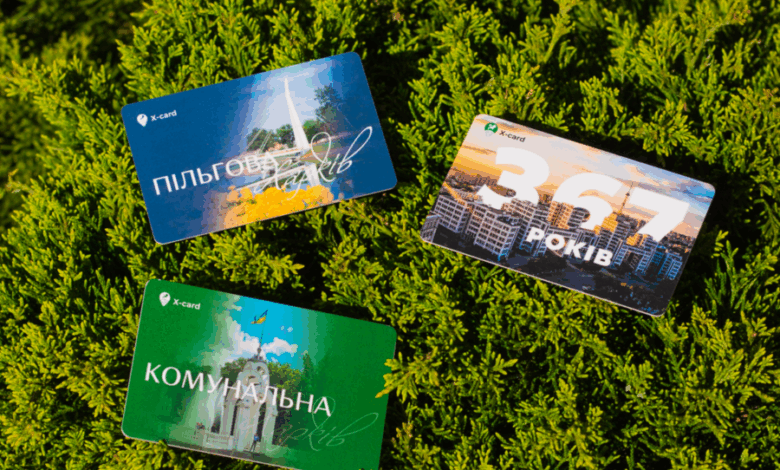
A separate block of work concerns the plastic “Kharkiv Citizen Card”. They want to add to the application the ability to submit an application for its production or reissue without personally contacting the relevant services. Among the planned updates is also a service for historical and cultural monuments, in particular those that suffered as a result of Russian aggression. In addition, the application is to be made multilingual.
The new tender raises questions about the priorities of the city budget, because some of the planned functions may be useful for residents, in particular information about transport and overlaps, but updating the interface, multilingualism and the service of monuments are hardly among the most urgent needs of a front-line city.
The main complaint about such a purchase is not the very existence of the digital service, but the amount, timing and choice of functions that were decided to be financed during the war. It is important for the community to understand why these works cost almost 10 million hryvnias and why they were not postponed or reduced to the truly necessary minimum.
In Kharkiv, which regularly suffers from Russian shelling, any million-dollar expenses from the city budget are assessed through the military context. Modernizing the application may have practical benefits for citizens, but the amount of over 9.5 million hryvnia inevitably raises questions about priorities.
In a situation where communities regularly raise funds for equipment for the front, the purchase of digital updates for millions of hryvnias requires the clearest possible explanations: what exactly is being paid for, why do they cost so much, who determined the priority, and whether some of the functions could have been postponed until a safer period.
The practical benefits of the “Kharkiv Citizen Card” itself are particularly indignant among Kharkiv residents, since for most owners it has long since turned into a service with minimal benefits. In large supermarkets, in particular “Class” or “Rost”, the discount on the card is often only 1%, so when buying 500 hryvnias, a person saves about 5 hryvnias, which is almost not felt against the background of current prices for food and household goods.
The situation is further worsened by the fact that discounts on the card often do not apply to promotional products with “yellow price tags”, socially important products, or excisable products. Because of this, buyers, who are already trying to buy goods on sale, in many cases do not receive any real benefit from the city card at all.
In addition, large retail chains already have their own bonus programs and loyalty systems, which often seem more profitable to buyers or at least not inferior to the capabilities of the “Kharkiv Citizen’s Card”. Against this background, the multimillion-dollar expenses from the city budget for the modernization of the application and related software, as well as the production or reissue of cards, raise even more questions, since the real benefit for residents is often measured in a few hryvnias of savings at the checkout.