Qatar resumes LNG exports through the Strait of Hormuz for the first time since the Iran war

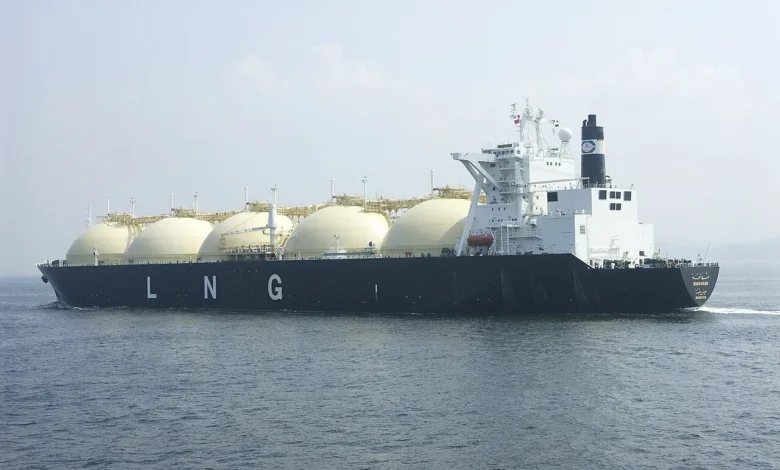
Qatar has successfully sent a tanker carrying liquefied natural gas through the Strait of Hormuz for the first time since the start of the war with Iran. This could be a sign of a gradual restoration of supplies from the region. This was reported on May 10 by Bloomberg.
According to ship tracking data, the Al Kharaitiyat LNG tanker, which was loaded at the Ras Laffan export terminal in Qatar earlier this month, has already left the Strait of Hormuz and is in the Gulf of Oman. The vessel’s next destination is Pakistan.
Bloomberg reported that the tanker was likely traveling along a northern route along the Iranian coast, which was agreed upon by Tehran. According to the Equasis database, the Al Kharaitiyat belongs to the Qatari company Nakilat. Nakilat and QatarEnergy have not yet commented on the situation.
Since the beginning of the conflict, the Strait of Hormuz has been effectively blocked, which has significantly affected global supplies of liquefied natural gas. Because of this, LNG prices have jumped sharply, and Asian countries have faced a shortage of fuel.
Despite the successful voyage of the Al Kharaitiyat, Bloomberg emphasizes that this does not yet indicate a return to pre-war exports. Before the escalation, about three LNG tankers passed through the Persian Gulf every day.
Qatar had previously tried to export LNG through the Strait of Hormuz several times, but the ships were eventually forced to turn back. According to Bloomberg, Qatar has not been able to send a single LNG cargo from the Persian Gulf since the war began in late February.
The war in Iran and the de facto blockade of the Strait of Hormuz have caused global oil supplies to decline rapidly. According to Bloomberg, from the beginning of March to the end of April alone, global reserves decreased by about 4.8 million barrels per day, which was a record rate of depletion.
The greatest risks of fuel shortages are currently observed in Asia, in particular in Indonesia, Pakistan, Vietnam and the Philippines. At the same time, oil and jet fuel reserves are also rapidly decreasing in the United States and Europe, which increases fears of a new jump in global energy prices.