Detention of a Ukrainian refugee in the US: the story of a family facing deportation

The events of early 2026 have shown that even after a long stay in the United States, Ukrainian refugees remain a vulnerable group for whom any change in legal status can have immediate and serious consequences for life and security. The example of Dmytro Kulik’s detention demonstrates how bureaucratic and administrative procedures can separate members of a family, changing the living conditions and psychological state of all its members.
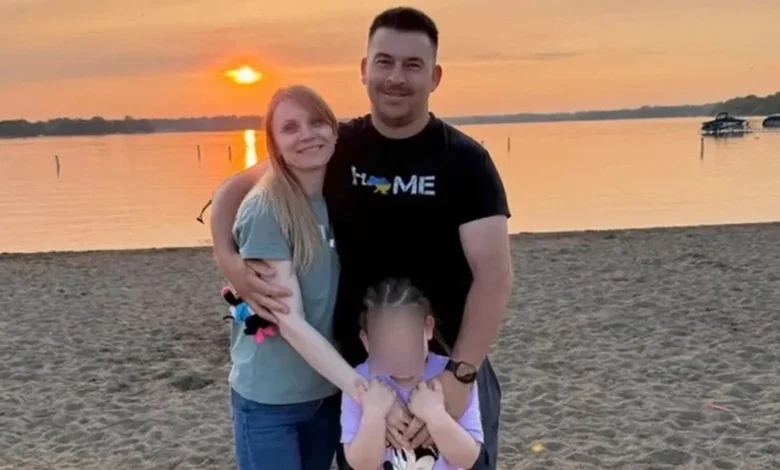
Dmytro Kulik, together with his wife Oksana, who has a disability, and their five-year-old daughter Elina arrived to the United States in late 2023 after Russian shelling destroyed residential buildings in his hometown of Chornomorsk in the Odessa region, forcing the family to seek a safe environment.
Thanks to the help of friends in Texas, they received protection under the program Uniting for Ukraine (U4U), which allowed for quick legalization of stay and provided access to social services, education, and medical services. After the two-year program ended, the family applied for continued protection, but the American authorities granted it only for his wife and daughter, leaving Dmytro without the right to stay.
On the first day of 2026, Dmytro Kulik was detained in the parking lot near the Walmart store, where he worked as a delivery driver, and the deportation procedure began. According to Kulyk, when he tried to explain the situation regarding the war in Ukraine and the danger to the family, one of the ICE (immigration service) employees reacted with mockery and stated that he wanted Russia to win the war against Ukraine.
At the time of his detention, Dmitry was in the United States legally, paid taxes and submitted documents on time, but the bureaucratic nuances of the U4U program led to the loss of his protection.
The absence of Dmitry Kulyk from the family created serious psychological and domestic pressure on his wife and daughter, forcing them to adapt to new conditions without the support of their father and husband. Oksana reported that due to stress she has lost weight and fears for her own safety, while five-year-old Elina falls asleep in tears, feeling the absence of her father. In addition, the family fears that further contacts with the civil service may threaten the lives or rights of their members if administrative requirements are violated.
As reported by the Consulate General of Ukraine in Chicago, Dmytro Kulyk did not seek help from Ukrainian diplomatic missions. The consulate also noted that neither his lawyer nor family members informed them of Kulik’s detention, and he himself did not initiate communication with diplomats. The consulate also did not record any complaints or comments about the Ukrainian’s detention. At the same time, they assured that they were ready to provide assistance if requested.
Kulik’s detention reflects a broader trend: approximately 300 Ukrainians have been arrested by ICE agents in the United States in recent years, half of whom have already been deported, and most cases involve men who lost their legal status due to the expiration of temporary protection programs. The U4U program was limited in duration and granted exceptional rights that were not automatically renewed, so even refugees with families and proven circumstances of danger could find themselves at risk of deportation, underscoring the importance of proper documentation and timely legal support.
Kulyk’s situation illustrates the U.S. attitude toward Ukrainian refugees, as well as the complexity of managing a massive refugee influx and the interaction of humanitarian obligations with immigration laws. It also highlights the psychological consequences for families when one member remains at risk of deportation while the rest of the family is forced to survive with limited rights and fear for their own safety. Such cases draw attention to the need to improve refugee support procedures, ensure equal access to legal protection and social integration mechanisms.
On the GoFundMe platform, Kulik’s friends are raising funds to pay for legal services and return her husband to his family. The court hearing in his case is scheduled in less than a month, and its outcome will determine not only Kulik’s ability to remain in the United States, but also a practical example of how immigration procedures affect the lives of specific families who fled the war.