Lviv Regional Military Administration demands public apology from ombudsman for disseminating information about violations in children’s shelter

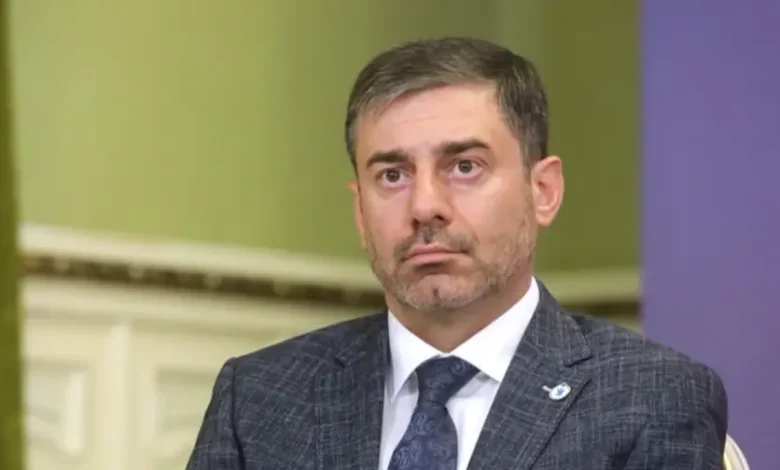
The Lviv Regional Military Administration is demanding a public apology from the Human Rights Ombudsman, Dmytro Lubinets. The incident has its roots in a conflict that arose over allegations of inadequate conditions for children in a Lviv children’s shelter. Dmytro Lubinets published information about violations in this institution, which, according to him, were discovered during monitoring: in particular, it was about keeping children in an isolation ward as a form of punishment, the lack of medical staff with the appropriate licences, as well as violations of the duration of children’s stay in the shelter, which, according to the law, should not exceed 90 days. These allegations provoked a strong reaction from the Lviv Regional Administrative Office, which considers the Ombudsman’s allegations to be groundless.
Context and circumstances
The issue of inappropriate treatment of children in social institutions is a painful and sensitive topic for Ukrainian society, especially in a difficult time of war. The situation with evacuated children who ended up in a Lviv shelter due to the hostilities only highlighted the need to respect the rights and guarantees for the care of children left without parental care. Against this backdrop, Ombudsman Dmytro Lubinets decided to draw public attention to possible violations by publishing a report. However, this step led to accusations from the Lviv Regional Administrative Office, which saw Lubinets’ statement as a PR attempt.
Official reaction of the Lviv DEC
Ivan Sobko, deputy head of the Lviv regional executive committee, harshly criticised Lubinets, pointing out that the ombudsman’s statements could be aimed at personal PR and creating ‘information noise’ around sensitive social issues. This was reported by the Lviv Regional Military Administration.
“Our actions are based on openness to constructive criticism and are aimed at an effective dialogue with society. We call on all stakeholders to act in a balanced and professional manner, avoiding manipulation and emotional accusations. We also demand that the Ukrainian Parliament Commissioner for Human Rights apologise to the community of Lviv region for disseminating unverified information,” said Ivan Sobko, Deputy Head of Lviv Regional State Administration.
According to Sobko, some of the accusations have no real basis in fact. In particular, he noted that the children’s shelter is not a medical institution and therefore is not required to have a licence to provide medical services. According to the administration, the isolation facility is used solely to prevent the spread of diseases, and the longer period of stay for children is related to their evacuation from the areas of active hostilities.
Demand for an apology and further escalation
Sobko also stressed that the ombudsman’s actions have created a negative impression among the local community, adding that the Lviv Regional Military District Administration expects Lubinets to issue an official apology for disseminating ‘unverified data’. In his opinion, such publications by the ombudsman are not constructive and only create tension in society at a time when the administration is working to ensure proper childcare in the face of war.
According to Ivan Sobko, Dmytro Lubinets’ posts ’focus not only on protecting children’s rights and interest in their fate, but also on PR to attract attention.’
“Our work is carried out systematically, consistently and with strict adherence to the principles of transparency and professionalism. We consider the recent accusations against the Lviv Regional State Administration to be groundless and in the nature of personal PR and speculation on a sensitive topic. We consider such posts to be incorrect,” saidthe deputy head of the regional state administration.
Ombudsman’s response and next steps
Dmytro Lubinets, in turn, did not stand aside and called the refutation of the Lviv Regional State Administration ‘manipulation of facts’. He continues to insist that the conditions in the shelter remain inadequate and that children’s rights need to be better protected, even if the shelter is not a medical facility.
Lubinets also noted that he had submitted a report on the violations to the administration on 31 October, but the Lviv Regional Administrative Office claims that it received the document only on 5 November.
This situation demonstrates how drastically different approaches to ensuring children’s rights and interaction between government agencies can be, especially in wartime.
Read more about the results of the inspection of the Lviv children’s shelter here.