NATO has nothing to counter fiber-optic drones, the West is losing technological advantage: NSDC

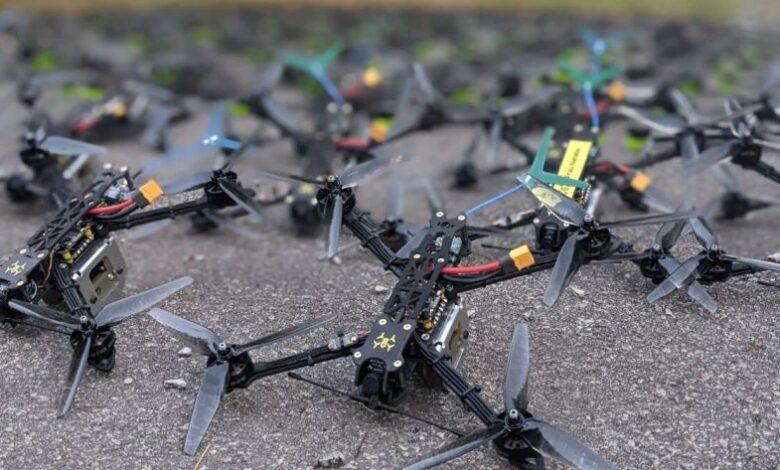
The armies of NATO countries remain defenseless against new types of unmanned threats, including FPV drones and fiber-optic drones, which Russia is actively using against Ukraine. About this stated Andriy Kovalenko, head of the Center for Countering Disinformation of the NSDC, commenting on the situation at the front and technological changes in modern warfare.
According to the official, the countries of the Alliance do not yet have any effective technologies capable of countering these latest types of UAVs. This points to a deeper problem — the lost technological advantage the West has held for decades.
“It is now very important for Europe to understand that fiber-optic drones will be developed, both in our country and in the enemy’s” – emphasized Kovalenko.
Kovalenko noted that weapons that have been considered high-tech since the 1980s and have ensured dominance on the battlefield no longer provide a decisive advantage over large masses of infantry and swarms of drones. At the same time, Russia is on the path of technological adaptation, in its arsenal there are FPV drones and unmanned aerial vehicles that are controlled via a fiber optic channel and operate without a radio signal, and therefore are invulnerable to classic electronic warfare systems.
In addition, Kovalenko drew attention to China’s participation in the development of these systems. In particular, according to his data, Chinese experts are helping the Russians to increase the range of drones on fiber optics — from the current 30 to a potential 50 kilometers. Against this background, the risks of a rapid breakthrough in this segment by the enemy only increase.
The official also reminded that Iran, despite many years of sanctions, was able to develop its own production of attack drones and reach a new level thanks to the war in Ukraine, which became a kind of training ground for such systems.
“The West did not draw any conclusions from Iran’s experience and now risks finding itself in a technological impasse. Either start acting now, or continue to live in the illusion that Leopard tanks and limited supplies of cruise missiles can change something.” – concluded Kovalenko.