The number of Ukrainian refugees in Lithuania has increased significantly: new data and trends

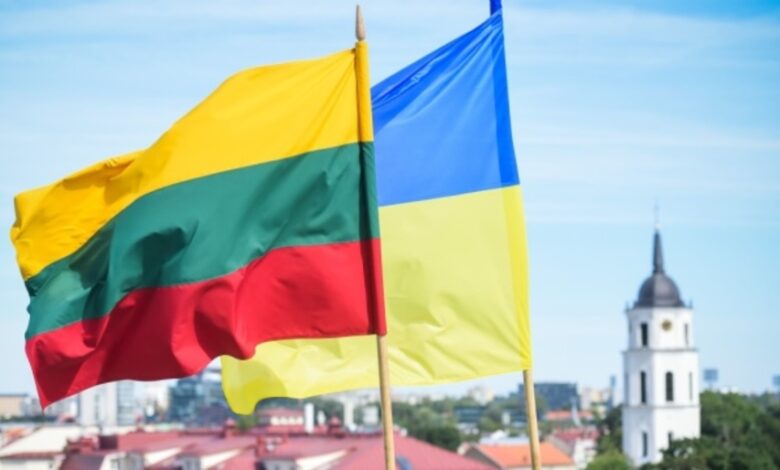
Lithuania recorded a significant increase in the number of Ukrainian refugees in 2025, reflecting both the scale of migration flows and changes in the behavior of those intending to stay in the country for a longer period. Statistical indicators obtained after the completion of the replacement of digital temporary residence permits for Ukrainians staying in Lithuania on the basis of temporary protection demonstrate a systematic increase in the number of people remaining in the country.
Quantitative indicators and comparison by year
By estimations of the Lithuanian Migration Department, as of March 5, 2026, the number of Ukrainian refugees in the country reached 53,379 people. For comparison, on the same date in 2025 there were 43,071, and at the beginning of March 2024 – 39,468. Thus, in one year the number of Ukrainian refugees in Lithuania increased by more than 10 thousand people, which indicates a steady trend towards the growth of the community.
These data indicate that migration flows are not decreasing, but a significant part of those who arrived earlier decide to stay in the country for a long period, instead of moving to other European countries or returning to their homeland.
All Ukrainian refugees and their family members who are in Lithuania on the basis of temporary protection receive digital residence permits that require annual renewal. These documents provide the legal right to stay in Lithuania and are used for official registration of residence.
By 2026, more than 42.5 thousand Ukrainians renewed their permits, while last year this figure was about 37 thousand, which demonstrates not only an increase in the number of residents, but also activity in using state administrative procedures.
Trends among refugees in Lithuania
According to the Director of the Lithuanian Migration Department, Indra Gaspera, Ukrainian refugees who have been in the country for at least a year are increasingly demonstrating signs of a settled lifestyle, which is manifested in various aspects of their adaptation. At the same time, one of the main indicators was a significant increase in the number of renewed digital residence permits, which indicates the intention to stay in Lithuania for a longer period and the readiness to integrate into the local environment.
In addition, there is a decrease in the share of those who decide to leave for other European countries or return to their homeland, which allows us to speak about the gradual formation of a stable community of Ukrainians.
The behavioral patterns of newly arrived refugees differ from those who have been in the country for a longer period: they remain more mobile, often plan short-term stays and more actively choose migration opportunities to other countries. At the same time, with the increase in the length of stay, Ukrainians begin to look for work more actively, register children in schools, use medical services and participate in local social programs, which creates conditions for gradual social stabilization and a decrease in the level of transit migration.
Therefore, the statistics of permit renewals and behavioral signs of adaptation indicate that the majority of its members choose a long stay in the country, integrate into the local environment and establish social ties in communities, which reduces the level of transit migration.
The obtained statistical data are important for planning the social and economic policy of Lithuania. The increase in the number of Ukrainian refugees affects the labor market, educational and medical services, as well as integration programs aimed at supporting citizens who stay for a longer period. Trend analysis allows government agencies to assess the effectiveness of temporary protection programs and adjust them in response to changes in migration flows.