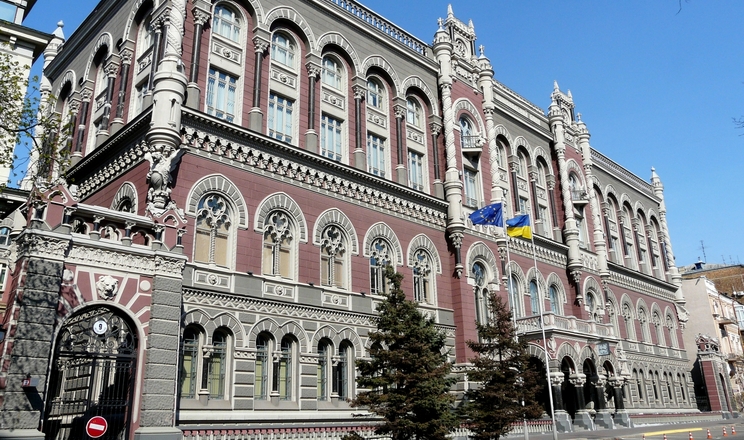
The Board of the National Bank of Ukraine made a decision to leave the discount rate at 15.5%. Despite the fact that inflation has slowed down in recent months, expectations remain elevated, and the risks of price increases are heightened due to energy shortages and increased budget needs. Under such conditions, the NBU will maintain a relatively tight monetary policy to support the attractiveness of hryvnia assets, stability of the foreign exchange market, and a gradual decline in inflation to the target level of 5% in the medium term.
Consumer inflation in September decreased to 11.9% in annual terms, and, according to the National Bank, this trend continued in October. The decline in price growth rates occurred faster than expected, primarily due to an increase in the supply of vegetables after a better harvest than last year. At the same time, core inflation decreased more slowly — to 11%, which indicates persistent domestic price pressure caused by high business costs for labor and energy resources. As a result, the decrease in prices for certain categories of goods and services was limited.
The inflation expectations of most groups of respondents did not improve over the last quarter, with the exception of the banking sector. Although financial analysts’ forecasts remain close to the NBU’s estimates, the expectations of business and the population are still elevated. Citizens’ interest in the topic of inflation has increased, as evidenced by an increase in relevant search queries on the Internet.
The National Bank expects that the impact of this year’s vegetable and grain harvests, growth in agricultural production, as well as the effect of monetary measures aimed at supporting demand for hryvnia assets will contribute to a further slowdown in inflation. The labor shortage is expected to partially ease, leading to more moderate real wage growth and reduced pressure on corporate spending.
At the same time, the pace of inflation decline will be restrained by additional business costs related to energy issues and an increase in administratively regulated tariffs. According to the NBU forecast, inflation will be around 9.2% in 2025, 6.6% in 2026, and reach the target of 5% by the end of 2027.
In the third quarter of 2025, economic growth accelerated due to the intensification of the harvest of early crops, robust consumer demand, and a relatively stable situation in the energy sector until the end of September. The expected increase in fiscal stimulus at the end of the year will support further recovery, but energy shortages and labor shortages remain factors limiting economic activity. In this regard, the NBU revised its GDP growth forecast for 2025 to 1.9%.
In the coming years, the National Bank predicts a gradual acceleration of economic growth due to increased harvests, investments in the reconstruction and development of the defense-industrial complex. It is expected that European integration processes, stabilization of the energy system and the gradual return of migrants will also contribute to economic recovery. According to the updated forecast, Ukraine’s real GDP will grow by 2% in 2026 and by 2.8% in 2027.